Category: Health

  • 9 Questions to Ask Your Cosmetic Dentist

    9 Questions to Ask Your Cosmetic Dentist

    I will address here some key questions to ask your cosmetic dentist or smile designer, offering insights into achieving optimal results while navigating the complexities of cosmetic dentistry. By understanding what to inquire about, from treatment planning to aftercare, you can make informed decisions tailored to your dental needs.

    To begin, seeking guidance is essential. For example I found out this practical dental advice: “A successful smile transformation hinges on clear communication and realistic expectations. Patients should feel empowered to ask detailed questions about their treatment, ensuring alignment with their goals. For more information on our approach, visit marylebonesmileclinic.co.uk.” This perspective underscores the importance of thorough consultations in achieving a confident smile.

    Following are the questions you should ask your dentist:

    What Qualifications and Experience Do You Have in Cosmetic Dentistry?

    Choosing a smile designer begins with verifying their credentials. Cosmetic dentistry demands precision, artistry, and technical expertise, so understanding a practitioner’s background is critical. Ask about their dental qualifications, such as degrees from recognised institutions, and inquire whether they have specialised training in cosmetic procedures like veneers, whitening, or orthodontics. Membership in professional bodies, such as the British Academy of Cosmetic Dentistry, can indicate a commitment to high standards.

    Experience is equally vital. A practitioner with years of practice in cosmetic dentistry is likely to have encountered diverse cases, equipping them to handle complex needs. Request details on how many similar procedures they have performed and whether they can share before-and-after photos of past patients. This provides tangible evidence of their skill. In London’s competitive dental market, where patients seek exceptional results, ensuring your smile designer has robust qualifications and a proven track record offers peace of mind.

    How Will You Personalise My Treatment Plan?

    Every smile is unique, and a one-size-fits-all approach rarely delivers satisfactory outcomes. A skilled smile designer should tailor treatments to your facial features, dental health, and aesthetic preferences. During your consultation, ask how they assess your needs and develop a bespoke plan. For instance, do they use digital imaging or mock-ups to preview potential results? These tools allow you to visualise the outcome before committing.

    Additionally, inquire about how they balance aesthetics with functionality. Cosmetic enhancements, such as veneers or crowns, must not compromise bite alignment or oral health. A thorough practitioner will evaluate your dental history, including existing restorations or gum conditions, to ensure the plan addresses both form and function. In London, where patients often seek natural yet polished results, a personalised approach distinguishes exceptional smile designers from others.

    What Treatment Options Are Available for My Goals?

    Cosmetic dentistry encompasses a range of procedures, from minimally invasive whitening to comprehensive smile makeovers. Understanding the full spectrum of options helps you choose treatments aligned with your objectives and budget. Ask your smile designer to outline all viable procedures for your case, explaining the benefits and limitations of each. For example, if you seek straighter teeth, they might suggest clear aligners, traditional braces, or veneers, depending on the severity of misalignment.

    Probe deeper into the suitability of each option. Are certain treatments better suited for minor imperfections, while others address structural issues? How do factors like treatment duration or maintenance differ? A cosmetic dentist in London can guide you through these choices, ensuring you select a solution that matches your lifestyle and expectations. Clarity on available treatments empowers you to make confident decisions.

    What Are the Risks and Potential Complications?

    All dental procedures carry risks, and cosmetic dentistry is no exception. A responsible smile designer will transparently discuss potential complications, helping you weigh the benefits against drawbacks. Ask about specific risks associated with your proposed treatments. For instance, teeth whitening may cause temporary sensitivity, while veneers require enamel removal, which is irreversible. Understanding these factors prepares you for the process and its implications.

    Inquire about how complications are managed. Does the practice offer follow-up care or revisions if results fall short? Are there protocols to address issues like post-treatment discomfort or unexpected outcomes? In London’s fast-paced environment, where patients value efficiency and reliability, knowing how a practice handles challenges ensures you feel supported throughout your journey.

    How Long Will the Treatment Process Take?

    Time is a critical consideration for many seeking cosmetic dental care. Whether you’re preparing for a special event or simply eager to see results, understanding the treatment timeline is essential. Ask your smile designer for a detailed breakdown of the process, including consultation, preparation, and completion phases. For example, whitening treatments may yield results in a single session, while orthodontic solutions like clear aligners could take months.

    Clarify whether multiple appointments are required and how they are spaced. Some procedures, such as crowns or implants, involve laboratory work, which can extend timelines. Additionally, ask about recovery periods or temporary adjustments, such as wearing provisional restorations. A cosmetic dentist in London will provide realistic estimates, helping you plan around your schedule and commitments.

    What Materials and Technologies Do You Use?

    The quality of materials and technology directly impacts the durability and appearance of cosmetic dental work. Ask your smile designer about the materials used in procedures like veneers, crowns, or fillings. For instance, are veneers crafted from high-grade porcelain, known for its natural translucency, or composite resin, which may be less costly but prone to staining? Understanding material properties helps you assess long-term value.

    Technology also plays a pivotal role. Advanced tools, such as intraoral scanners or CAD/CAM systems, enhance precision and comfort. Inquire whether the practice employs digital smile design software to simulate outcomes or 3D printing for restorations. In London, where cutting-edge dental practices thrive, choosing a smile designer who invests in modern technology ensures superior results and a streamlined experience.

    How Much Will the Treatment Cost, and Are Payment Plans Available?

    Cost is a significant factor in cosmetic dentistry, and transparency is crucial for informed decision-making. Ask for a detailed cost breakdown, including consultation fees, procedure charges, and any additional expenses, such as laboratory fees or follow-up visits. In London, where dental care costs can vary widely, understanding the full financial commitment upfront prevents surprises.

    Explore payment options to make treatments more accessible. Many practices offer financing plans, allowing you to spread costs over time. Inquire about interest rates, eligibility criteria, and repayment terms. Some clinics may also accept dental insurance or provide discounts for upfront payments. A cosmetic dentist in London can clarify these options, ensuring you find a solution that fits your budget without compromising quality.

    What Aftercare and Maintenance Are Required?

    Achieving a stunning smile is only part of the journey; maintaining it requires ongoing care. Ask your smile designer about post-treatment protocols to preserve your results. For instance, veneers may require avoiding hard foods, while whitened teeth demand vigilance against staining substances like coffee or red wine. Understanding these requirements helps you integrate them into your routine.

    Inquire about long-term maintenance, such as regular check-ups or professional cleanings, to monitor your dental health. Ask whether the practice provides guidance on oral hygiene products, like specific toothpastes or mouthwashes, to enhance longevity. Additionally, clarify the lifespan of your restorations and whether they may need replacement over time. A thorough aftercare plan ensures your smile remains vibrant for years.

    How Will You Ensure I’m Satisfied with the Results?

    Patient satisfaction is the ultimate measure of a smile designer’s success. Ask how the practitioner ensures you’re happy with the outcome. Do they offer previews, such as wax-ups or digital mock-ups, to confirm the design before proceeding? Are adjustments possible if the final result doesn’t meet expectations? These steps demonstrate a commitment to your vision.

    Explore their approach to communication throughout the process. Will they provide regular updates or opportunities to discuss progress? A collaborative relationship fosters trust and ensures your preferences are prioritised. In London, where patients expect exceptional service, choosing a smile designer who values your input guarantees a rewarding experience.

    Navigating Cosmetic Dentistry in London

    London’s dental landscape offers unparalleled opportunities to enhance your smile, but selecting the right professional requires diligence. By asking these nine questions, you gain clarity on qualifications, treatment options, risks, timelines, costs, and aftercare, empowering you to make informed choices. A cosmetic dentist in London can transform your smile, blending artistry with science to deliver results that boost confidence and reflect your personality.

    The process begins with a consultation, where open dialogue lays the foundation for success. Take time to articulate your goals and expectations, ensuring alignment with your smile designer’s expertise. Whether you seek subtle enhancements or a dramatic transformation, thorough preparation and informed questions pave the way for a seamless journey. Your smile is an investment in your well-being, and with the right guidance, it can shine brightly for years to come.


  • Discovering Relief: How a Knee Specialist and Naturopath in Berlin Can Help You

    Discovering Relief: How a Knee Specialist and Naturopath in Berlin Can Help You

    Dealing with knee pain or other chronic discomforts can be debilitating, impacting your quality of life. Fortunately, Berlin is home to specialists and holistic practitioners who are ready to guide you toward recovery. In this article, we explore how a Knee Specialist in Berlin and a Naturopath in Berlin can address your pain effectively.

    Understanding Knee Pain and Its Causes

    Knee pain is one of the most common issues affecting individuals across all age groups. It can stem from various causes, including:

    • Osteoarthritis: A degenerative joint condition that causes stiffness and pain.
    • Sports Injuries: Strains, tears, or ligament damage.
    • Postural Issues: Poor alignment leading to undue stress on the knee joint.
    • Chronic Conditions: Such as rheumatoid arthritis or gout.

    Seeking professional help from a Knee Specialist in Berlin ensures a thorough diagnosis and targeted treatment.

    Consult a Knee Specialist Berlin for expert care and personalized solutions.

    The Role of a Knee Specialist in Recovery

    A knee specialist provides tailored treatments designed to address the root cause of your pain. Key services include:

    • Comprehensive Diagnostics: Using imaging and physical examinations to pinpoint the problem.
    • Customized Therapy Plans: Incorporating exercises, physical therapy, or minimally invasive interventions.
    • Preventive Advice: Guidance on maintaining knee health and avoiding future injuries.

    Their expertise can expedite your recovery and help you regain mobility, ensuring long-term wellness.

    The Holistic Approach: Naturopathy for Pain Relief

    Complementing specialist care with naturopathy can provide a more holistic path to healing. A Naturopath in Berlin focuses on:

    • Natural Remedies: Using herbs, supplements, and dietary modifications.
    • Lifestyle Adjustments: Stress management techniques and posture correction.
    • Personalized Wellness Plans: Catering to your unique health needs.

    Learn more about how a Naturopath Berlin can support your recovery journey.

    Tips for Managing Knee Pain at Home

    While professional guidance is essential, there are several strategies you can adopt at home to alleviate discomfort:

    1. Regular Stretching: Focus on gentle stretches to maintain flexibility.
    2. Strengthening Exercises: Build muscle support around the knee with low-impact activities.
    3. Cold and Heat Therapy: Use ice packs to reduce swelling and heat pads for soothing relief.
    4. Ergonomic Adjustments: Use supportive footwear and consider braces if recommended.

    FAQ: Common Questions About Knee Pain and Naturopathy

    Q: When should I see a knee specialist? A: If your pain persists for more than a week or limits your daily activities, consult a specialist immediately.

    Q: Can naturopathy address chronic knee pain? A: Yes, naturopathy offers complementary care by reducing inflammation and promoting overall wellness.

    Q: Are treatments from a knee specialist painful? A: Most treatments are minimally invasive and focus on reducing discomfort, not adding to it.

    Why Berlin Residents Choose Expert Care

    Berlin is renowned for its advanced medical facilities and holistic practitioners. Whether you’re seeking a modern medical solution or a natural approach, you’ll find experienced professionals committed to your well-being.

    Call to Action

    Ready to take the first step toward a pain-free life? Book an appointment with a Knee Specialist Berlin or explore the benefits of a Naturopath Berlin today. Relief is just a click away!

  • From Jaw Pain to Peace: How Botox Eases Bruxism Symptoms

    From Jaw Pain to Peace: How Botox Eases Bruxism Symptoms

    Understanding Bruxism and Its Impact

    Bruxism in Birmingham, commonly known as teeth grinding, affects many people worldwide. This condition often leads to jaw pain, headaches, and damaged teeth. Individuals with bruxism unconsciously clench their teeth, especially during sleep, causing significant discomfort and dental issues.

    Read Also: Dentures dentist

    The Role of Botox in Treating Bruxism

    Botox, a popular cosmetic treatment, has proven effective in alleviating bruxism symptoms. By targeting specific muscles responsible for teeth grinding, Botox offers relief from jaw pain and other related issues. Its use in medical treatments has expanded beyond aesthetics, showing promising results for those suffering from bruxism.

    How Botox Works for Bruxism Relief

    Botox works by relaxing the muscles involved in bruxism. When injected into the jaw muscles, it reduces their activity, preventing the excessive clenching and grinding that cause discomfort. The treatment is minimally invasive, with most patients experiencing significant relief within a few days of the injection.

    Benefits of Using Botox for Bruxism

    Immediate Pain Relief

    One of the main advantages of Botox for bruxism is the immediate relief from jaw pain. Patients often report a reduction in pain within days, leading to improved quality of life.

    Preventing Dental Damage

    By reducing teeth grinding, Botox helps prevent further dental damage. This can save patients from costly dental repairs and maintain their overall oral health.

    Minimally Invasive Treatment

    Botox injections are quick and minimally invasive. The procedure typically takes less than 30 minutes, making it a convenient option for those with busy schedules.

    What to Expect During a Botox Treatment for Bruxism

    Consultation with a Specialist

    The first step in receiving Botox for bruxism is a consultation with a specialist. During this appointment, the doctor will assess your condition and determine the appropriate treatment plan.

    The Injection Process

    The Botox injection process is straightforward. The specialist will inject small amounts of Botox into the jaw muscles. Most patients experience minimal discomfort during the procedure.

    Post-Treatment Care

    After the injection, patients can resume their daily activities almost immediately. Some might experience mild bruising or swelling, but these side effects typically subside within a few days.

    Long-Term Effects of Botox on Bruxism

    Botox provides temporary relief from bruxism symptoms, typically lasting three to six months. Regular follow-up treatments are necessary to maintain the benefits. Over time, some patients may find their symptoms diminish with consistent treatment.

    Is Botox the Right Choice for You?

    Evaluating Your Symptoms

    If you suffer from chronic jaw pain, headaches, or dental damage due to bruxism, Botox might be a viable treatment option. Consult with a healthcare professional to evaluate your symptoms and discuss the potential benefits of Botox.

    Considering the Costs

    While Botox is effective, it can be costly. Weigh the costs against the benefits, considering the potential savings from avoided dental repairs and improved quality of life.

    Exploring Alternative Treatments

    Before committing to Botox, explore alternative treatments such as mouthguards, stress management techniques, and physical therapy. A comprehensive approach might provide the best results for managing bruxism.

    Conclusion

    Botox offers a promising solution for those suffering from bruxism. By reducing muscle activity in the jaw, it alleviates pain and prevents further dental damage. Consult with a specialist to determine if Botox is the right treatment for your bruxism symptoms, and enjoy a pain-free, peaceful life.

  • Sunekos Treatment vs. Traditional Fillers: A Comprehensive Comparison

    Sunekos Treatment vs. Traditional Fillers: A Comprehensive Comparison

    Introduction: Understanding Your Options

    When it comes to rejuvenating your skin and restoring youthful vitality, the choices can seem overwhelming. Two popular options in the world of aesthetic medicine are Sunekos treatment and traditional fillers. But which one is the superior choice for you? Let’s delve into the details to help you make an informed decision.

    Sunekos Treatment: The Next Generation of Skin Rejuvenation

    Sunekos treatment is a revolutionary approach to skin rejuvenation that stimulates the natural production of collagen and elastin within the skin. Unlike traditional fillers, which simply add volume to specific areas, Sunekos works to improve the overall health and integrity of the skin.

    Benefits of Sunekos Treatment:

    • Natural Results: Sunekos promotes natural-looking results by enhancing the skin’s own regenerative processes.
    • Versatility: It can be used to treat a wide range of concerns, including fine lines, wrinkles, sagging skin, and even acne scars.
    • Longevity: With a series of treatments, the results of Sunekos can last for up to six months or longer.
    • Minimal Downtime: Since Sunekos is a non-invasive procedure, there is minimal downtime, allowing you to return to your daily activities with ease.
    • Traditional Fillers: Tried and Tested Solutions

    Traditional fillers have long been a popular choice for addressing volume loss and enhancing facial contours. These injectable substances, typically made from hyaluronic acid or collagen, are used to plump up areas of the face that have lost volume due to aging.

    Benefits of Traditional Fillers:

    • Immediate Results: One of the main advantages of traditional fillers is their ability to deliver instant results, with noticeable improvements seen immediately after treatment.
    • Customizable: Traditional fillers come in various formulations and consistencies, allowing for tailored treatment plans to address individual needs.
    • Proven Safety: With years of use and research, traditional fillers are considered safe and effective when administered by a qualified practitioner.
    • Reversible: In the rare event of dissatisfaction or complications, traditional fillers can be dissolved using specific enzymes, offering a reversible solution.

    Choosing the Right Option for You

    When deciding between Sunekos treatment and traditional fillers, it’s essential to consider your specific goals, preferences, and skin condition. Consulting with a qualified aesthetic practitioner is crucial to determine the most suitable treatment plan for achieving your desired results.

    Conclusion:

    In the debate between Sunekos treatment and traditional fillers, there is no one-size-fits-all answer. Both options offer unique benefits and can be highly effective in rejuvenating the skin and enhancing facial aesthetics. By understanding the differences between the two treatments and consulting with a knowledgeable professional, you can make an informed decision that aligns with your skincare goals. Incorporating wellness routines such as cage ninja exercises can further enhance your results by supporting circulation, muscle tone, and overall vitality.

  • Solving Gummy Smiles: Innovative Techniques for a Balanced Look

    Solving Gummy Smiles: Innovative Techniques for a Balanced Look

    A significant concern that often goes unnoticed is the gummy smile. Characterised by an excessive display of gum tissue above the top teeth when smiling, gummy smiles can affect self-esteem and the way individuals perceive their own smiles. However, advancements in dental and cosmetic surgery are offering promising solutions for those seeking a more balanced look. 

    Understanding Gummy Smiles

    Together with an London cosmetic dentist from https://marylebonesmileclinic.co.uk/ (Marylebone Smile Clinic based at 66 Harley St, London, W1G 7HD – 02071268526 ) we learn that a gummy smile, medically known as excessive gingival display, is identified when more than 4mm of gum tissue is exposed while smiling. Various factors can contribute to this condition, including genetic predisposition, hyperactive upper lip muscles, and the way your teeth have erupted or grown. While not a health concern in most cases, the aesthetic impact of a gummy smile can be significant, leading many to seek corrective options.

    The Psychological Impact

    The psychological impact of a gummy smile should not be underestimated. In a world where social media and personal appearance hold considerable weight, having confidence in one’s smile is paramount. A survey within the UK revealed that a substantial portion of the population feels self-conscious about their smiles, with gummy smiles being a common concern. This self-consciousness can lead to a reluctance to smile or pose for photographs, affecting social interactions and overall happiness.

    Innovative Techniques for Correction

    The landscape of gummy smile correction is vast, with techniques ranging from minimally invasive to surgical interventions. The choice of treatment depends on the underlying cause of the gummy smile and the patient’s desired outcome. Here are some of the most innovative and effective techniques currently available:

    1. Lip Repositioning Surgery: This surgical procedure aims to limit the movement of the upper lip, effectively reducing gum exposure when smiling. It’s a relatively quick procedure, usually completed within an hour, and is known for its immediate and lasting results.
    2. Laser Gum Contouring: For cases where excess gum tissue is the primary concern, laser gum contouring offers a precise and less painful solution. The use of laser technology allows for the sculpting of the gum line, enhancing the appearance of the teeth without significant downtime.
    3. Orthodontic Treatments: Sometimes, correcting a gummy smile is a matter of addressing the position of the teeth. Orthodontic treatments, such as braces or Invisalign, can help in repositioning teeth to reduce gum visibility and improve overall smile aesthetics.
    4. Botox Injections: In instances where a hyperactive upper lip is the cause, Botox injections can provide a non-surgical alternative. By relaxing the muscles of the upper lip, Botox reduces its elevation when smiling, thereby minimizing gum exposure.
    5. Maxillofacial Surgery: For more severe cases, orthognathic (jaw) surgery might be necessary. This involves repositioning the upper jaw to reduce gumminess and improve facial proportions. Although it’s the most invasive option, it can offer transformative results for the right candidates.

    The Importance of a Personalised Approach

    Choosing the right treatment for a gummy smile is crucial and should be based on a thorough examination and consultation with a dental or cosmetic surgery professional. Keep in mind that what works for one person may not be suitable for another. A personalised approach not only ensures the effectiveness of the treatment but also minimises risks and maximises satisfaction with the results.

    Towards a Balanced Smile

    The journey towards correcting a gummy smile is a testament to the incredible advancements in dental and cosmetic surgery. With a range of innovative techniques at their disposal, professionals are now better equipped than ever to offer solutions that cater to the unique needs and desires of their patients.

    This concludes the first half of our exploration into solving gummy smiles through innovative techniques. Before we proceed to the second half, which will delve deeper into patient experiences, the role of technology in treatment planning, and aftercare tips for maintaining a balanced smile, your feedback is welcome to ensure the continuation aligns with your interests and preferences.

    Patient Experiences: Real Stories of Transformation

    The impact of correcting a gummy smile extends far beyond aesthetics; it touches on aspects of confidence, social interactions, and overall quality of life. Many patients who have undergone treatment for their gummy smiles report not just a more appealing smile but a significant boost in self-esteem. For instance, Sarah, a patient from London, shared, “After my lip repositioning surgery, I felt like a new person. I no longer hide my smile in photos or cover my mouth when I laugh. It’s truly life-changing.”

    These stories underscore the emotional and psychological benefits of addressing concerns that may seem superficial to outsiders but are deeply impactful to the individuals affected.

    The Role of Technology in Treatment Planning

    In the quest for the perfect treatment plan, technology plays a crucial role. Digital imaging and 3D modeling have revolutionized how dental professionals approach the correction of gummy smiles. These tools allow for precise mapping of the mouth, enabling practitioners to visualize the expected outcomes of various treatments before making any changes. Such predictive modeling is invaluable in setting realistic expectations and tailoring interventions to achieve the best possible results.

    Furthermore, innovations like CAD/CAM (Computer-Aided Design and Computer-Aided Manufacturing) technology facilitate the creation of custom dental appliances and surgical guides, enhancing the accuracy and efficiency of treatments.

    Aftercare: Maintaining Your New Smile

    The journey to a balanced smile doesn’t end with the procedure. Aftercare plays a pivotal role in ensuring lasting results and preventing complications. Here are some general aftercare tips, though it’s important to follow the specific advice provided by your dental professional:

    • Oral Hygiene: Maintaining excellent oral hygiene is crucial, especially after procedures like gum contouring or surgery. Gentle brushing and flossing, along with antiseptic mouthwash, can help prevent infection and promote healing.
    • Diet Adjustments: Immediately following certain procedures, you might need to stick to soft foods and avoid hot beverages to prevent irritation and ensure proper healing. 
    • Follow-up Appointments: Regular check-ups allow your dentist or surgeon to monitor your healing process and make any necessary adjustments to your treatment plan.
    • Protecting Your Smile: After investing in correcting your gummy smile, consider wearing a mouthguard if you play sports, and avoid habits that can damage your teeth, such as nail-biting or using your teeth to open packages.

    Looking Ahead: The Future of Gummy Smile Corrections

    Gummy smiles, once a source of self-consciousness for many, can now be effectively addressed, offering everyone the chance to have a smile they can be proud of. With the right combination of innovative techniques, personalized care, and comprehensive aftercare, a balanced and beautiful smile is within reach.

  • Making an Informed Choice: Weight Loss Surgeries and What They Cost

    Making an Informed Choice: Weight Loss Surgeries and What They Cost

    You might be considering weight loss surgery as a solution to long-standing obesity issues. Understanding the various types of surgeries available and their associated costs is crucial. This article will guide you through the different options, helping you make an informed decision.

    Weight loss surgery, or bariatric surgery, is a life-altering medical procedure aimed at helping individuals lose weight and improve related health conditions. It’s a journey that has evolved significantly, incorporating new techniques and improved safety measures.

    Types of Weight Loss Surgery

    Gastric Bypass (Roux-en-Y Gastric Bypass)

    • Procedure Details: In this procedure, a small pouch is created at the top of the stomach. The small intestine is then cut and attached to this pouch. This allows food to bypass most of the stomach and the first section of the small intestine. The bypassed section is further reattached to allow digestive juices to mix with the food.
    • Effectiveness: Gastric bypass can lead to significant weight loss, often 60-80% of excess weight. It also helps in improving or resolving conditions like type 2 diabetes, hypertension, and sleep apnea.
    • Recovery Time: Hospital stay usually lasts 2-3 days, with most people returning to normal activities within 3-5 weeks.

    Sleeve Gastrectomy

    • Procedure Details: This surgery removes about 80% of the stomach, leaving a tube-shaped stomach about the size and shape of a banana. This limits the amount of food you can eat and helps you feel full sooner. Gastric sleeve Turkey price ranges  from €2850 – €3500
    • Effectiveness: Sleeve gastrectomy can lead to 60-70% of excess weight loss within a year. It also leads to significant improvements in obesity-related conditions.
    • Recovery Time: The average hospital stay is two days, and most people return to normal activities within two weeks.

    Adjustable Gastric Banding

    • Procedure Details: An inflatable band is placed around the upper part of the stomach to create a small stomach pouch above the band with a narrow opening to the rest of the stomach. The band’s tightness can be adjusted by adding or removing saline through a port under the skin.
    • Effectiveness: Weight loss is slower and less dramatic than other surgeries, typically 40-50% of excess weight. It requires strict adherence to dietary restrictions and lifestyle changes.
    • Recovery Time: Hospital stay is often not required or is very short, and recovery usually takes around a week.

    Biliopancreatic Diversion with Duodenal Switch

    • Procedure Details: This complex procedure involves removing a large part of the stomach and bypassing a significant portion of the small intestine. It drastically reduces calorie absorption and limits food intake.
    • Effectiveness: It results in significant weight loss, often 70-80% of excess weight. However, it also carries a higher risk of nutritional deficiencies and requires lifelong supplementation.
    • Recovery Time: A hospital stay can last 2-4 days, with a longer recovery than other weight loss surgeries.

    Emerging Procedures

    • Overview: Newer procedures and variations of existing ones are continuously being developed. These include endoscopic sleeve gastroplasty, gastric balloon, and aspiration therapy, each with a unique weight management approach.
    • Considerations: These procedures are less invasive but may offer less dramatic weight loss results. They can suit individuals with lower BMI or those seeking less invasive options.

    Criteria for Weight Loss Surgery

    Eligibility Criteria

    • BMI Requirements: Generally, surgery is considered for individuals with a BMI of 40 or higher or those with a BMI of 35-39.9, accompanied by serious weight-related health issues like diabetes or hypertension.
    • Health Conditions: Candidates often suffer from obesity-related conditions such as sleep apnea, type 2 diabetes, heart disease, or severe joint pain.
    • Age Considerations: Most programs require patients between 18 and 65, although exceptions can be made based on individual health assessments.

    Comprehensive Health Assessment

    • Medical Evaluation: A thorough medical examination is necessary to evaluate the overall health and readiness for surgery. This includes lab tests, physical exams, and discussions about medical history. Usually, for medical travelers, a medical travel agency will ease this part of the process. Flymedi is a medical travel agency that helps international patients by connecting them to board-certified doctors and planning their trips.
    • Psychological Assessment: Mental health plays a crucial role in the success of weight loss surgery. Patients undergo psychological evaluation to ensure they understand the surgery’s impact and are mentally prepared for the lifestyle changes required.
    • Nutritional Counseling: Patients meet with dietitians before surgery to discuss dietary needs and post-surgery diet. Healthy meal prep ideas for weight loss help in setting realistic expectations and planning for a healthier lifestyle.

    Additional Considerations

    • Lifestyle Readiness: Candidates must be willing to commit to significant lifestyle changes, including diet and exercise, both before and after surgery.
    • Previous Weight Loss Efforts: A history of attempted weight loss through diet and exercise is often required, demonstrating the patient’s commitment to losing weight through traditional means before surgery.
    • Support System: A strong support system is crucial. This includes family and friends who understand the journey and can provide emotional and practical support.

    Cost Analysis of Different Surgeries

    Each type of surgery comes with its cost considerations. Factors such as hospital stay, surgeon’s fees, and geographical location play a role. We’ll delve into the average costs of each surgery type and discuss how to weigh your options financially.

    Insurance and Financing Options

    Navigating insurance coverage for weight loss surgery can be complex. We’ll explore what’s typically covered and discuss alternative financing options like loans and payment plans.

    Risks and Complications

    Like any major medical procedure, weight loss surgery carries potential risks and complications. Being informed about these is crucial for making a well-rounded decision. 

    Short-term Risks and Complications

    • Surgical Risks: These include typical surgical risks such as infection, bleeding, blood clots, and adverse reactions to anesthesia.
    • Early Postoperative Complications: These may include leaks from the site where the intestines are sewn together, abscesses, or bowel obstruction.
    • Nutritional Deficiencies: Particularly in surgeries that bypass parts of the intestine, there’s a risk of deficiencies in nutrients like iron, calcium, vitamin B12, and others, requiring lifelong supplementation.

    Long-term Risks and Complications

    • Gastric Dumping Syndrome: Common after gastric bypass, this syndrome occurs when food moves too quickly from the stomach to the small intestine, causing symptoms like nausea, vomiting, dizziness, and diarrhea.
    • Gallstones: Rapid weight loss can lead to the formation of gallstones. Some patients might require medication to prevent this.
    • Hypoglycemia: Some patients may experience low blood sugar levels, particularly after eating, which needs to be managed carefully.
    • Ulcers and Strictures: Ulcers can develop at the surgical site, and strictures (narrowing of passages) can occur, requiring additional procedures.

    Risk Mitigation Strategies

    • Thorough Preoperative Assessment: Ensuring the patient is a suitable candidate for surgery helps minimize risks.
    • Postoperative Follow-up: Regular follow-up appointments are crucial to monitor the patient’s health and to catch any complications early.
    • Adherence to Dietary Guidelines: The dietitian’s advice helps reduce complications like nutritional deficiencies and dumping syndrome.
    • Ongoing Support and Counseling: Access to mental health professionals, support groups, and nutritional counseling can help manage life’s psychological and behavioral aspects after surgery.

    While weight loss surgery can be life-changing regarding health improvement and weight loss, it’s vital to understand the potential risks and complications. With the right preparation and ongoing care, many risks can be managed effectively, leading to successful long-term outcomes.

  • Renew Your Body and Mind with Ashiatsu Hackney Massage

    Renew Your Body and Mind with Ashiatsu Hackney Massage

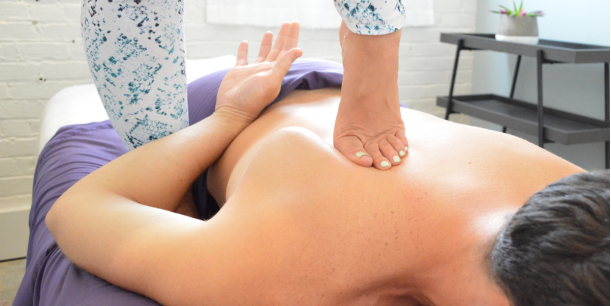
    Nestled in the vibrant district of Hackney, London, a well-kept secret invites those in pursuit of unparalleled relaxation and revitalization – Ashiatsu Massage. This distinctive and therapeutic massage technique has gained acclaim for its capacity to offer profound relief to deep tissues while reinstating equilibrium to both body and mind. As the foremost destination for Hackney Massage in London, our Hackney studio guarantees an unmatched encounter that transcends conventional massage practices.

    The Art of Ashiatsu Massage:

    Ashiatsu Massage also recognized as barefoot massage traces its roots back to ancient Asian healing traditions. This method involves a skilled therapist employing their feet to administer deep, gliding pressure to the client’s body. This innovative approach permits broader strokes and precise targeting of muscle knots, resulting in an efficient massage experience.

    Benefits of Ashiatsu Massage:

    Deep Tissue Relief:

    Ashiatsu Massage reaches deep layers of muscle tissue, alleviating chronic tension and tightness. The therapist’s broad pressure with their feet aids in releasing stubborn knots, fostering improved flexibility and range of motion.

    Enhanced Circulation:

    The gentle yet potent strokes of Ashiatsu Massage invigorate blood flow, promoting better circulation throughout the body. This enhanced circulation contributes to quicker muscle recovery, diminished inflammation, and an overall sense of vitality.

    Stress Reduction:

    As the therapist adeptly maneuvers through the massage session, the rhythmic and flowing nature of Ashiatsu induces profound relaxation. Clients often report lowered stress levels, enhanced sleep quality, and improved well-being.

    Posture Correction:

    In today’s sedentary lifestyle, many individuals grapple with postural issues. Ashiatsu Massage aids in aligning the spine and correcting posture by targeting specific muscle groups, ultimately fostering better body mechanics.

    Holistic Healing:

    Beyond its physical benefits, Ashiatsu Massage is renowned for its holistic approach to healing. Combining deep pressure and the therapist’s intuitive touch establishes a mind-body connection that cultivates a sense of balance and tranquility.

    Why Choose Ashiatsu Massage in Hackney:

    Experienced Therapists:

    Our Hackney studio boasts a team of highly trained and experienced therapists specializing in Ashiatsu Massage. Their expertise ensures a tailored and practical session that meets your individual needs.


    Tranquil Environment:

    Step into a serene and inviting environment crafted to enhance your relaxation experience. Our Hackney studio provides a peaceful retreat from the hustle and bustle of city life.

    Personalized Approach:

    At Ashiatsu Massage London, we recognize the uniqueness of each individual. Our therapists invest time in understanding your concerns and preferences, ensuring a personalized and transformative massage experience.

    Conclusion:

    Let’s embark on a journey of relaxation and rejuvenation in the heart of Hackney with Ashiatsu Massage. The ancient art of barefoot massage and modern therapeutic techniques await you at our studio, promising a holistic approach to well-being. Explore the profound benefits of Ashiatsu Massage and revitalize your body and mind in the heart of London.

  • How to Incorporate Meal Replacement Shakes into Your Routine

    How to Incorporate Meal Replacement Shakes into Your Routine

    To shed unwanted weight, you tend to reduce your food intake. But by doing so, you lose chances of receiving the essential nutrients your body needs to function well. And this situation is something most dieters experience for the sake of losing weight.

    The ideal solution is to buy meal replacement shakes. This nutritious beverage is a convenient alternative if preparing meal plans is difficult for you. You can save time and effort by simply drinking meal shakes, and you won’t feel guilty trying to maintain your weight goal. 

    So if you want to add this nutritious beverage to your diet routine, here are some practical tips.

    Choose High-Quality Meal Replacement Shakes

    Not all meal shakes are created equal. So if you want to add this drink into your routine, there are several factors to consider to pick the best one that suits your taste and health goals.

    1. Read Nutritional Information

    Examine the nutritional information provided on the packaging. Look for shakes that offer a balanced mix of macronutrients, including protein, carbohydrates, and healthy fats. A good meal replacement shake should typically have around 15-30 grams of protein per serving, moderate carbohydrates, and a small amount of healthy fats.

    2. Check for Added Sugars

    Avoid shakes high in added sugars, leading to blood sugar spikes and energy crashes. Instead, opt for shakes with less sugar or those sweetened with natural alternatives like stevia or monk fruit.

    3. Assess the Ingredient List

    Take a close look at the ingredient list of the shake. A good meal replacement shake should contain whole food ingredients and avoid artificial additives, preservatives, and fillers. Look for shakes that use high-quality protein sources like whey protein isolate, pea protein, or plant-based protein blends.

    4. Consider the Protein Source

    If you have specific dietary preferences or restrictions, ensure that the protein source in the shake aligns with your needs. For example, if you follow a vegetarian or vegan diet, choose plant-based shakes derived from pea, hemp, or brown rice protein.

    5. Look for Added Nutrients

    Some meal replacement shakes are fortified with essential vitamins and minerals to provide a complete nutritional profile. Check if the shake offers a good range of vitamins and minerals, including vitamin D, B12, calcium, and iron. These added nutrients can help support overall health and prevent potential nutrient deficiencies.

    6. Research Brand Reputation

    Before making a purchase, research the brand’s reputation and customer reviews. Look for brands with a positive track record, transparent manufacturing processes, and a commitment to quality. Feedback from other consumers can provide insights into the meal replacement shake’s taste, texture, and overall effectiveness.

    7. Seek Professional Advice

    Consulting with a nutritionist or dietitian is always a good idea if you have specific dietary concerns. They can offer personalized recommendations based on your unique needs, health goals, and any existing medical conditions.

    Determine Your Goals

    Defining your goals is important before adding meal replacement shakes into your routine. Are you looking to lose weight, gain muscle, improve your athletic performance, or improve your overall nutrition? Understanding your objectives will help you customize your shake consumption to meet your needs.

    For weight loss goals, look for shakes with a higher protein content to promote satiety and muscle preservation. If you’re focused on muscle gain, choose shakes with a higher carbohydrate and protein ratio to support muscle recovery and growth.

    Replace a Meal or Snack

    A meal replacement shake is a good alternative for a full meal or acts as a nutritious snack. Replacing one or two meals with a shake can be an effective strategy if you’re aiming to shed some pounds. On the other hand, if you’re trying to maintain or gain weight, using shakes as a snack between meals can help increase your caloric intake.

    Plan Ahead

    To successfully incorporate meal replacement shakes into your routine, planning is key. Prepare your shakes by measuring the ingredients and storing them in portions. Planning your meals will save you time and ensure you have a healthy option readily available when you need it.

    Customize with Nutrient Boosters

    While meal replacement shakes are formulated to be nutritionally balanced, you can customize them to suit your specific needs. Consider adding nutrient boosters such as fruits, vegetables, nut butter, seeds, or superfood powders to enhance your shake’s flavor and nutrient content. Just be mindful of the additional calories and adjust your overall intake accordingly.

    Experiment with Flavors

    Experiment with different flavors, including chocolate, vanilla, strawberry, and more, to keep your meal replacement shakes interesting and enjoyable. You can also get creative by adding natural flavorings like cinnamon, cocoa powder, or extracts to spice up your shakes.

    Stay Hydrated

    Remember to drink plenty of water throughout the day, even when consuming meal replacement shakes. While these shakes provide hydration, they shouldn’t replace your overall water intake. Water is crucial in digestion, nutrient absorption, and overall well-being, so prioritize hydration alongside your shake consumption.

    Maintain A Healthy Diet

    Adding meal replacement shakes is a game-changer when maintaining a healthy diet on a busy schedule. You can get enough essential nutritional goals to sustain your health with the right shake to drink. So give them a try and enjoy the benefits of quick, nutritious meals on the go.

    References:

    https://www.livescience.com/meal-replacement-shake-to-lose-weight

    https://www.womenshealthmag.com/weight-loss/g19983948/meal-replacement-shakes-for-weight-loss/

    https://thefast800.com/when-to-use-meal-replacement-shakes/

  • Why should you consider Nitrazepam for sleepless nights?

    Why should you consider Nitrazepam for sleepless nights?

    Insomnia (lack of sleep) is quite prevalent, however, it seldom lasts long. If you have trouble sleeping, it might be because you have trouble falling asleep, you wake up for lengthy periods of time during the night, or you wake up too early in the morning. ‘Sleeping pills,’ such as nitrazepam, are considered a last option but are occasionally recommended for a brief period of time to aid with a really terrible bout of insomnia.

    Nitrazepam works by altering the way specific brain chemicals (neurotransmitters) send messages to the brain. This has a relaxing impact and will help you sleep. It works effectively in the short term, with one week of treatment usually sufficing, while up to three weeks of treatment may be necessary at times.

    If you use it for an extended period of time, the drug may lose its efficacy (you may get habituated to the effect), and when you stop taking it, you may have withdrawal symptoms. To avoid withdrawal symptoms, you may need to continue taking the medication. This is referred to as drug dependency.

    You can Buy Nitrazepam Online frombestsleepingpilluk at the best price. Just visit our website and grab awesome deals.

    Nitrazepam administration

    Read the manufacturer’s printed information sheet from within the carton before beginning the therapy. It will offer you with additional information about nitrazepam as well as a complete list of the negative effects that you may encounter if you take it.

    The normal dose is 5 milligrammes given soon before going to bed; however, your amount may be more or lower than this. Your doctor may advise you to take a dose only for a few days or only on specific days of the week. It is critical that you take nitrazepam exactly as prescribed by your doctor.

    You can Buy Cheap Nitrazepam UK from our website now!

    Making the best of your therapy

    Keep whatever appointments you have with your doctor. This is done so that your doctor can assess how you are feeling.

    Nitrazepam’s effects can extend into the next day; please be advised that it is likely to impair your judgements and responses, affecting your ability to drive. Driving while your reactions are affected is illegal, so avoid driving until you know how you react, especially when you initially begin therapy.

    Even though your driving ability is not compromised, if you must drive, you should have some proof that the drug has been prescribed for you, such as a repeat prescription form or a patient information booklet from the pack.

    You should not consume alcohol when using nitrazepam. It raises the possibility of sedative side effects. If you are scheduled for an operation or dental treatment, please inform the person performing the procedure that you are taking a benzodiazepine. This is due to the fact that nitrazepam enhances the effects of several anaesthetics.

    When it comes time to quit taking it, your doctor may advise you to gradually lower your dose. This is done to lessen the possibility of you suffering withdrawal symptoms. 

    Buy Sleeping Tabletsat the best prices from our site.

    Any directions given to you by your doctor should be properly followed.

    1. All medications include vital information.
    2. If you acquire any medications, be sure they are compatible with your existing medications.
    3. Never exceed the recommended dosage. If you believe that you or someone else has taken an overdose of this medication, go to your nearest hospital’s accident and emergency department. Even if the container is empty, bring it with you.

    Best sleeping pill Uk provides you best and safe medicine at your address within a minimum time period. You can also explore our website for more information and get money-saving deals now!

  • How You Might Support A Relative with Cellular breakdown in the lungs

    How You Might Support A Relative with Cellular breakdown in the lungs

    At the point when somebody in your family gets cellular breakdown in the lungs, it’s hard not to feel totally frail and simply believe should do all that could be within reach to help them improve and return to carrying on with their life once more. Tragically, there’s no supernatural occurrence solution for cellular breakdown in the lungs that will turn the condition around for the time being, yet there are still loads of things you can do to offer your help and cause your relative to feel really focused on and adored as they fight cellular breakdown in the lungs. Here are a few thoughts on how you might uphold your relative with malignant growth.

    Treatment Choices

    Each cellular breakdown in the lungs patient is unique as are the medicines for their conclusion. Therapy choices rely upon an individual’s sort of malignant growth and different elements, similar to the degree of the sickness or whether it has spread. Therapies can go from a medical procedure to radiation treatment to chemotherapy, with nobody therapy being superior to one more in all cases. Treatment choices ought to be founded on different elements, for example, what well medicines work and how they mean for the personal satisfaction. Individuals ought to likewise know that there are many kinds of chemotherapy accessible and only one out of every odd sort is proper for everybody. Healthline.com – Nutrition-Mediterranean-Diet-Meal-Plan.

    Tracking down the Right Treatment

    The principal thing to do is track down the right treatment. There are a wide range of kinds of disease therapies, yet the right one for your relative will rely upon their particular sort and phase of malignant growth. When you know the right treatment, you should simply finish it. Converse with your relative about why they’re seeking this treatment so they comprehend the reason why it’s fundamental and what the dangers are. Urge them to remove time from their day, regardless of whether it’s only a couple of moments consistently, to unwind or work out. Give them space without feeling like you’re forcing them to an extreme or being rude by overlooking what they say. What’s more, remember.

    Dealing with Feelings

    It very well may be hard to tell how to respond or what to say when a friend or family member is determined to have disease. The profound cost malignant growth can take on the whole family frequently leaves individuals feeling powerless, terrified, and confounded. Keep in mind, disease isn’t simply an actual sickness it influences the psychological, profound and social prosperity of patients and everyone around them. Friends and family might experience difficulty finding the right words and need assistance dealing with their feelings. Urge them to discuss their sentiments with somebody they trust or find a care group in your space that spends significant time in disease patient help.

    The most effective method to Help a Friend or family member Through Treatment

    As a parental figure, you can assume a significant part in aiding your cherished one through treatment. Research shows that malignant growth patients who are upheld by loved ones during their disease process endure essentially longer than the people who are not. It’s normal to have many inquiries concerning how to help a relative with disease, yet don’t stress there are numerous things you can do to help.

    1. Be available and offer help

    2. Propose to assist with family undertakings

    3. Assist them with keeping a solid eating routine

    4. Offer profound help

    5. Assist them with remaining associated with loved ones

    6. Offer transportation depending on the situation

    7. Deal with yourself

    Remaining Dynamic

    There are various approaches to help a relative with malignant growth effectively. Many individuals might find it supportive to do things like assistance cook, clean the house, or get things done. They may likewise have the option to offer daily reassurance, listen carefully to tune in, and give transportation. There are numerous alternate ways you can show your adoration and backing also. Significantly, you set aside some margin to ponder what might be generally useful for your adored one in their circumstance and afterward do it!

    Being alright Constantly is alright Not

    Disease is frightening. It can cause the future to feel questionable, and it can stir up your family in manners you might not have expected. Yet, it doesn’t necessarily in all cases must be like that. There are things you can do to help a relative with cellular breakdown in the lungs – as far as they might be concerned, and for yourself.

    Perhaps of the main thing you’ll have to do is deal with yourself. It’s absolutely reasonable if really focusing on another person has come to the detriment of your own emotional well-being and prosperity, yet this is the ideal opportunity to deal with YOU so you’re ready to offer proceeded with help as they go through treatment. Wellhealthorganic.com:10-benefits-of-eating-roasted-gram.

    End

    Everything thing that you can manage to help them is to show up for them. This implies plunking down and listening when they need to talk, offering support when they need it, and giving time and assets where conceivable. Assuming that there are alternate ways that you can uphold your relative with cellular breakdown in the lungs, recall that this is definitely not a one-size-fits-all circumstance. Everybody has various necessities and needs at various seasons of their life. Simply be patient and be there admirably well for them.