Blog

  • How Halcyan Water Conditioners and the Best Bathroom Tap Products in the UK Transform Your Home

    How Halcyan Water Conditioners and the Best Bathroom Tap Products in the UK Transform Your Home

    Upgrading your home’s bathroom is about more than just style – it’s about comfort, functionality, and long-term performance. From investing in Halcyan Water Conditioners to choosing the best bathroom tap products UK homeowners can find, the right choices can make a world of difference in your daily routine and in protecting your home’s plumbing.

    The Hidden Challenge: Hard Water in UK Homes

    Many households in the UK face the constant battle of hard water. Limescale build-up on taps, streaky shower screens, and reduced water pressure are everyday frustrations. Over time, hard water can damage your bathroom fixtures, shorten the lifespan of appliances, and even increase energy bills.

    This is where Halcyan Water Conditioners step in. Designed to prevent limescale without using salt or chemicals, they offer a smart, eco-friendly solution that not only keeps your bathroom looking spotless but also safeguards your plumbing system for years to come.

    Why Halcyan Water Conditioners Are Different

    Traditional water softeners replace calcium and magnesium minerals with sodium, requiring regular salt refills and producing wastewater. In contrast, Halcyan technology treats water in a way that changes the structure of these minerals, preventing them from sticking to surfaces.

    Key benefits include:

    • No salt or chemicals required – perfect for eco-conscious households.
    • Low maintenance – no ongoing costs for consumables.
    • Retains healthy minerals – better for drinking water and skin health.
    • Compact design – easy to fit in most UK homes.

    By reducing scale build-up, Halcyan Water Conditioners protect your investment in bathroom fixtures, meaning your taps, showers, and bath fittings maintain their shine and performance for much longer.

    Pairing with the Best Bathroom Tap Products UK

    Even with the best water treatment system, the quality of your bathroom taps matters. The best bathroom tap products UK suppliers offer aren’t just about design – they combine durability, water efficiency, and ergonomic comfort.

    When choosing taps, consider:

    • Material Quality – Look for brass or stainless steel cores with corrosion-resistant finishes.
    • Water-Saving Features – Aerators and flow regulators reduce consumption without sacrificing pressure.
    • Design Versatility – From modern minimalism to classic elegance, choose taps that match your bathroom style.
    • Easy Maintenance – Smooth finishes and accessible parts make cleaning and repairs simple.

    For UK homes with treated water, premium taps can last decades with minimal wear, making them a worthwhile investment.

    The Perfect Bathroom Combination

    Think of Halcyan Water Conditioners as the behind-the-scenes protector and your premium taps as the stars of the show. Together, they create a bathroom that is:

    • Functional – Reliable water flow, free from limescale obstructions.
    • Beautiful – Fixtures stay shiny and spotless.
    • Efficient – Lower maintenance and cleaning costs.
    • Sustainable – Reduced water waste and no harmful chemical discharge.

    Future-Proofing Your Bathroom Investment

    A bathroom is one of the most frequently used spaces in any home, so it makes sense to invest in solutions that will last. Installing a Halcyan Water Conditioner is a once-and-done upgrade that protects your bathroom fixtures, while choosing the best taps ensures style and functionality for years to come.

    In an era where sustainability and quality are top priorities, pairing these two elements gives you the peace of mind that your bathroom is built to perform and impress.

    Final Thought
    The secret to a truly exceptional bathroom lies in both protection and presentation. With Halcyan Water Conditioners preventing hard water damage and the best bathroom tap products UK retailers can offer adding lasting style, you’re not just upgrading a room – you’re elevating your entire home experience.

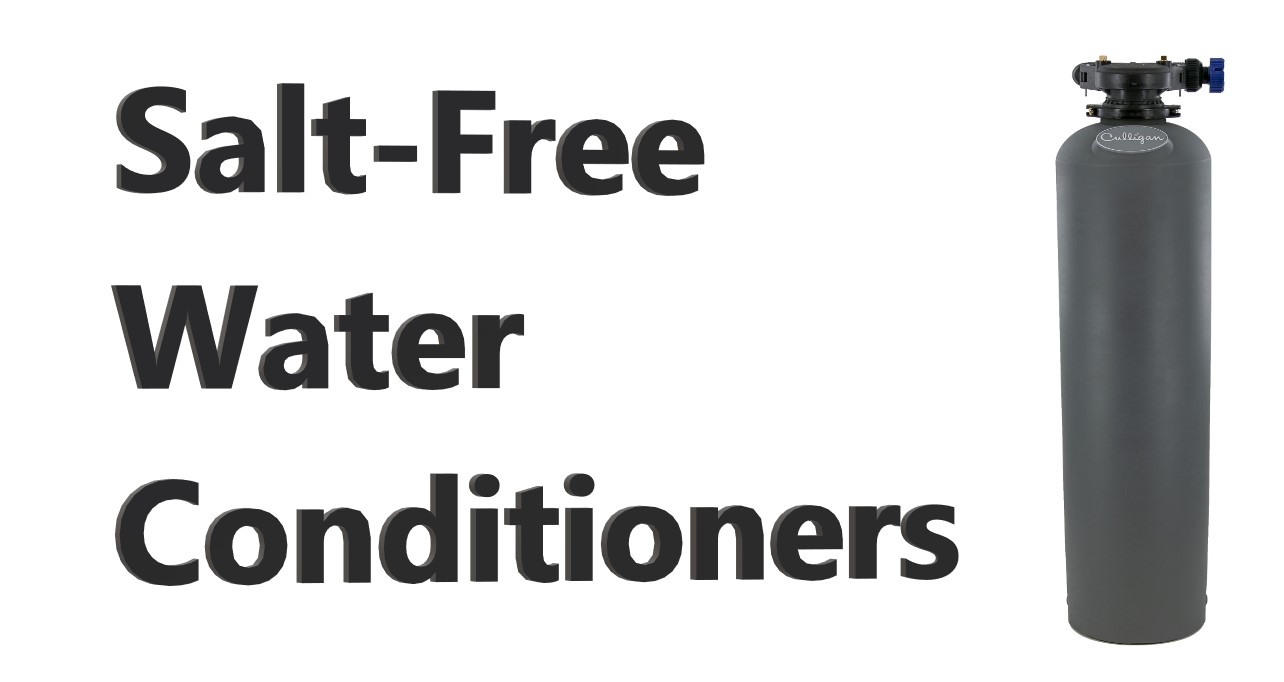
  • Salt-Free Water Conditioners: A Modern Alternative to Traditional Softeners

    Salt-Free Water Conditioners: A Modern Alternative to Traditional Softeners

    Hard water is a common problem in many parts of the UK, leaving limescale deposits in appliances, damaging plumbing, and reducing efficiency in heating systems. While traditional salt-based softeners have been around for decades, more homeowners are now switching to salt-free water conditioners — a smarter, eco-friendly, and low-maintenance solution.

    If you’ve been comparing a water conditioner or water softener, it’s important to understand the differences so you can choose the right system for your home.

    What Are Salt-Free Water Conditioners?

    A salt-free water conditioner works differently from a standard softener. Instead of removing minerals from your water, it changes their structure so they can’t stick to pipes, taps, or appliances. This means you still get the natural calcium and magnesium your body needs, without the scale buildup that causes headaches for homeowners.

    Unlike traditional systems, a saltless water conditioner does not require heavy bags of salt, messy regeneration cycles, or large amounts of wastewater. The process is chemical-free, environmentally friendly, and far easier to maintain.

    Water Softener Variations: Salt-Based vs Salt-Free

    When looking at water softener variations, you’ll notice two main types:

    1. Salt-Based Softeners
      • Uses ion exchange to replace calcium and magnesium with sodium
      • Requires regular salt refills
      • Produces wastewater during cleaning cycles
      • Removes hardness entirely from water
    2. Salt-Free Water Conditioners
      • Uses a catalytic process to prevent scale
      • No salt, no chemicals, no wastewater
      • Retains healthy minerals in your water
      • Minimal maintenance needed

    For many UK households, especially those concerned about environmental impact, a no salt water softener is the ideal alternative to water softener systems that rely on salt.

    Why Choose Salt-Free Over Salt-Based?

    Switching to a salt-free water conditioner offers several benefits:

    • Eco-Friendly – No salt discharge into waterways and zero wastewater
    • Low Maintenance – No need to store or buy salt bags
    • Healthier Water – Retains natural minerals for better taste and nutrition
    • Cost Savings – Lower running costs over time
    • Reliable Protection – Prevents limescale buildup in plumbing and appliances

    If you’re looking for the best salt-free softeners UK, you’ll find that advanced systems like Halcyan Water Conditioners are designed specifically for the UK’s varying water hardness levels, providing effective long-term scale prevention.

    Finding the Best Salt-Free Solution for Your Home

    When choosing a salt-free system, make sure it has:

    • Proven scale prevention technology
    • Long product warranties
    • Independent testing or certifications
    • Positive reviews from UK homeowners

    You can also compare options in detail here: Water Conditioner or Water Softener to see which fits your needs best.

    Final Thoughts

    The days of heavy salt bags and constant softener maintenance are over. With modern salt-free water conditioners, you get scale prevention, healthier water, and a system that’s better for the planet — all without the hassle of traditional softeners.

    If you want a reliable, eco-conscious alternative to water softener systems, consider upgrading to one of the UK’s best salt-free conditioners and enjoy the benefits of clean, scale-free water in your home.

  • How GRP Cabinets Improve Electrical Safety in Industrial Settings

    How GRP Cabinets Improve Electrical Safety in Industrial Settings

    In the demanding world of industrial operations across the UK, electrical safety isn’t merely a compliance issue; it’s a fundamental pillar of operational integrity and workforce protection. From manufacturing plants and data centres to utility substations and transport infrastructure, reliable housing for electrical components is non-negotiable. This is precisely where GRP cabinets, such as those meticulously engineered by Adept GRP, offer profound advantages over traditional materials, significantly enhancing safety standards.

    Read Also: Generator Rentals

    Here’s how GRP cabinets play a critical role in improving electrical safety in diverse industrial settings:

    1. Inherent Non-Conductivity: Eliminating Shock Hazards Perhaps the most significant safety advantage of GRP (Glass Reinforced Plastic) is its natural non-conductive property. Unlike metal enclosures that can become live in the event of an electrical fault or insulation breakdown, GRP does not transmit electricity. This fundamental characteristic dramatically reduces the risk of electric shock for personnel interacting with or working near the cabinets. It means an added layer of protection, making GRP cabinets an indispensable choice for housing switchgear, control panels, and distribution boards where human contact is a possibility.
    2. Superior Insulation: Preventing Short Circuits and Arcing Beyond simply being non-conductive, GRP also offers excellent electrical insulation. This prevents unwanted current paths, minimising the risk of short circuits and dangerous arcing within the enclosure. In industrial environments where power fluctuations or component failures can occur, the high dielectric strength of GRP ensures that internal electrical integrity is maintained, protecting both equipment and operators.
    3. Corrosion Resistance: Maintaining Structural and Electrical Integrity Industrial settings often involve exposure to corrosive elements, be it moisture, chemicals, or salt. Metal cabinets, even those treated, are prone to rust and degradation over time, which can compromise their structural integrity and, critically, their earthing connections. A rusted enclosure can lead to unpredictable electrical behaviour. GRP cabinets, being impervious to corrosion, maintain their full structural and electrical insulation properties throughout their exceptionally long lifespan, offering consistent safety performance year after year, regardless of the ambient conditions.
    4. Fire Retardant Properties: Mitigating Fire Risks Electrical faults are a common cause of industrial fires. Many GRP cabinets are manufactured using special fire-retardant resins that meet stringent British and international fire safety standards (e.g., BS 476 Part 7 Class 2 Surface Spread of Flame). This means that in the event of an internal electrical fire, the GRP material will resist ignition and significantly slow the spread of flames, containing the incident and providing crucial time for intervention. This inherent fire resistance is a vital safety feature for critical infrastructure.
    5. Robust Impact Resistance: Protecting Sensitive Components Industrial environments are busy, and accidental impacts from machinery, vehicles, or falling objects are a reality. While seemingly a mechanical advantage, robust impact resistance directly contributes to electrical safety by protecting the delicate internal wiring, components, and connections from physical damage. GRP cabinets are renowned for their high strength-to-weight ratio and ability to withstand significant impacts without compromising the integrity of the electrical systems housed within.
    6. Minimal Maintenance, Consistent Safety: The durability and resilience of GRP cabinets mean they require far less maintenance compared to metal alternatives. There’s no need for periodic de-rusting, repainting, or patch repairs that might expose internal components or compromise protective layers. This consistent, low-maintenance performance ensures that the high level of electrical safety designed into the cabinet remains intact throughout its operational life, reducing hidden risks and operational downtime.

    For industrial facility managers and health and safety officers in the UK, choosing GRP cabinets from a reputable manufacturer like Adept GRP is a proactive step towards enhancing electrical safety. Their unparalleled material properties provide a reliable, long-term solution for protecting vital electrical infrastructure and, most importantly, the people who work with it. To discuss how Adept GRP can support your industrial electrical safety requirements, please contact them directly at sales@adeptgrp.co.uk or call 01269 843355.

  • How to Make Money Online in 2025 (Without the BS)

    How to Make Money Online in 2025 (Without the BS)

    Let’s be real — the game has changed. Making money online in 2025 isn’t about spammy surveys or shady crypto pumps anymore. It’s about smart platforms, real skills, and financial tools that actually work.

    If you’re looking to earn online this year (whether it’s for side cash or full-time income), here’s the no-fluff guide you need. No get-rich-quick junk — just what’s actually working in 2025.

    1. Freelancing is Still King

    Upwork. Fiverr. PeoplePerHour. They’re alive and booming. But here’s what’s new in 2025:

    • AI skills (think ChatGPT prompts, automation tools, AI video edits)
    • Micro gigs with fast turnaround
    • Specialized content creators for platforms like TikTok and YouTube Shorts

    Pro Tip: Get paid in USD, then withdraw to your Zil Virtual Card to start spending instantly. No waiting days for bank transfers.

    2. Dropshipping? Only If You’re Smart

    Yes, dropshipping still works — but only if you:

    • Pick a niche people actually care about
    • Use TikTok/Instagram for organic traffic
    • Have solid product pages (mobile-first, short video, fast checkout)

    Don’t rely on AliExpress anymore. Try local Pakistani or UK-based suppliers for faster delivery.

    3. Game Streaming & Digital Content

    Twitch, Kick, YouTube Gaming, and even TikTok LIVE are cash cows — if you can build a community.

    You make money through:

    • Donations & tips
    • Affiliate links
    • Exclusive content (Patreon-style)
    • Sponsorships

    And yes, use a virtual card like Zil to manage your multiple income streams and subscriptions.

    4. Remote Jobs With Global Startups

    Companies worldwide are hiring virtual assistants, customer support reps, content creators, and data entry workers. Sites like:

    • Remote OK
    • We Work Remotely
    • AngelList Talent

    You get paid in foreign currency, and platforms like Zil let you convert and spend instantly via virtual cards — no need for complicated bank setups.

    5. Teach What You Know

    Got skills? Sell them:

    • Create a mini-course on Gumroad or Teachable
    • Start a paid newsletter
    • Offer 1-on-1 Zoom coaching

    Gen Z loves learning from real people, not boring institutions. You don’t need a degree — just experience and confidence.

    Real Talk: Why You Need a Virtual Card

    Making money is half the hustle — managing it is the other half.

    With Zil Virtual Card, you can:

    • Split your income into categories (savings, bills, business)
    • Limit risky transactions
    • Stay protected while buying tools online

    It’s the digital wallet of the future — and it’s already here.

    Final Word

    How to make money online 2025? It’s not about luck. It’s about value + tech + consistency. You don’t need to be a guru. You just need to start — and manage your income smartly.

    So go earn that bag, and let Zil handle your financial flow like a pro.

  • Need a House Clearance? Talk to Yorkshire’s Trusted Specialists

    Need a House Clearance? Talk to Yorkshire’s Trusted Specialists

    Clearing a house can feel overwhelming — whether it’s due to a family bereavement, a house move, or a build-up of clutter over the years. At times like this, what you really need is a team you can trust. That’s where Danum House Clearance comes in — reliable, local, and experienced house clearance specialists who take the stress out of clearing a property.

    Danum House Clearance is based in Doncaster but works all across Yorkshire, Nottinghamshire, Lincolnshire, and even further if needed. Over the past 20 years, they’ve cleared everything from small flats to large family homes — including properties affected by hoarding or difficult personal circumstances.

    If you’re looking for no-fuss, respectful help, Danum are the people to call.

    The Experts in House Clearance Yorkshire Residents Recommend

    Danum’s strength lies in their understanding. They know house clearance isn’t just about removing furniture — it’s about helping people during challenging times. Bereavement, mental health, or simply not knowing where to start — all of these require patience, empathy and a solid plan.

    Their trained team handles everything with care, from the initial visit to the final sweep-up. They’ll always work around your needs, keep things private, and make sure the process is as smooth as possible. That’s why so many people in Yorkshire and beyond recommend Danum House Clearance to friends and family.

    Tailored House Clearance for Every Situation

    Every home is different, and so is every client. Danum doesn’t offer “one size fits all” packages — instead, they look at each property and situation and build a plan that works for you.

    They’ll remove unwanted items, sort through contents if needed, and make sure everything is either donated, recycled, or disposed of properly. They also ensure the property is left clean and ready — whether you’re preparing it for sale, rental, or a family member to move in.

    From top to bottom, the whole job is handled with care — and you don’t need to do a thing.

    Straightforward, Friendly Advice

    One of the reasons Danum House Clearance is so popular is because they’re easy to deal with. No pressure. No hidden costs. Just honest advice from a local team who genuinely want to help.

    They offer free, no-obligation quotes, and if you’re unsure what type of clearance you need, they’ll happily explain your options. Even if your area isn’t listed on the website, it’s worth getting in touch — they’ve completed jobs from Blackpool to Grimsby and often travel outside their core area to help customers in need.

    For a hassle-free, respectful and professional service, get in touch with the team at www.danumhouseclearance.co.uk.

    Danum House Clearance – the house clearance specialists Yorkshire trusts when it really matters.

  • The Ultimate Guide to Choosing the Best Tile Backer Board for Your Project

    The Ultimate Guide to Choosing the Best Tile Backer Board for Your Project

    If you’re getting ready to install tile, one decision you really don’t want to rush is picking the tile backer board. It might not be the star of the show like the tile itself, but the backer board is the unsung hero that supports everything. It helps prevent moisture damage, keeps the tile secure, and ensures your hard work lasts for years.

    With so many options out there, it’s easy to get overwhelmed. This guide will help you understand the different types of tile backer boards and how to choose the one that’s right for your space and project.

    Cementitious Backer Units (CBUs)

    Cement boards are one of the most commonly used tile backer options, especially in areas that see a lot of moisture. They’re made from cement and reinforcing fibers, which gives them excellent strength and water resistance.

    They’re a solid pick for showers, floors, and tub surrounds. On the flip side, they can be heavy and a bit of a pain to cut unless you have the right tools. Still, for areas that need a super durable base, CBUs remain a reliable go-to.

    Foam Backer Boards

    Foam boards are made from materials like extruded polystyrene. They’re waterproof, lightweight, and easy to work with. You can score and snap them with a utility knife—no power tools needed.

    They shine in places like walk-in showers, bathroom walls, or any spot where moisture is a concern. Many foam boards even come with a built-in waterproof membrane, cutting down on extra steps during installation.

    Fiber Cement Boards

    Fiber cement boards are made from a mix of cement and cellulose fibers. They offer a nice balance between strength and weight, which makes them suitable for both floors and walls.

    They don’t soak up water like a sponge, but they’re not completely waterproof on their own. That’s why they’re often used with additional moisture barriers in damp areas. For general tiling projects in kitchens or entryways, these boards hold up really well.

    Glass Mat Gypsum Boards

    These boards have a moisture-resistant gypsum core wrapped in fiberglass mats. They’re a lighter alternative to cement boards and much easier to cut and handle.

    They work best in places like bathroom ceilings or walls where water exposure is low to moderate. Just make sure the seams are sealed properly to keep water from sneaking in over time.

    Liquid Waterproofing Membranes

    Instead of using a board that’s already waterproof, you can roll or brush on a liquid membrane over a more standard backer. Once it dries, you’ve got a continuous waterproof layer that can cover tricky corners and seams.

    This method is popular in custom showers or oddly shaped spaces. Just make sure to follow drying times and apply it evenly for the best results.

    Sheet Membranes

    Sheet membranes are another waterproofing method, but they come in large rolls or sheets that get applied over your backer board. They’re typically installed with thin-set mortar and create a dependable moisture barrier.

    They’re a smart choice for steam showers and high-humidity rooms. While they take a bit more effort to install correctly, they provide a lot of peace of mind in moisture-heavy environments.

    Factors to Consider When Choosing a Backer Board

    Moisture Exposure
    Is the area going to see frequent water contact? For wet zones, stick with waterproof or highly water-resistant options.

    Ease of Installation
    Some boards are easier to cut and handle than others. Foam boards, for example, are great for DIYers, while cement boards are tougher but more rugged.

    Tile Type Compatibility
    Large or heavy tiles may need a stiffer, more supportive board. Make sure your backer board can handle the weight and size of your tiles.

    Application-Specific Guidance

    Bathrooms and Wet Areas
    Stick with foam boards, cement boards, or a setup that includes sheet membranes. You want full moisture protection in these spots.

    Kitchens and Dry Areas
    Here, moisture isn’t a huge concern, so fiber cement or glass mat boards usually do the trick.

    Floors vs. Walls
    For floors, go with something rigid like cement or fiber cement boards. For walls, lighter options such as foam or glass mat boards are easier to install and manage.

    Installation Best Practices

    Start with a Clean Base
    Make sure the surface underneath is clean, flat, and dry. Any leftover debris can mess with how well the tile sticks.

    Proper Fastening is Key
    Use corrosion-resistant screws and follow the manufacturer’s spacing guidelines. Boards need to be flush and firmly secured.

    Seal the Joints
    Don’t forget to tape the seams and use a thin-set mortar to seal everything up. In wet areas, you’ll want to go the extra mile with a waterproofing membrane.

    Maintenance and Durability

    Once your tile is installed over a solid backer board, there’s not much ongoing maintenance required. But it’s important to get the installation right the first time. Water damage and tile movement often come from poor prep or sealing.

    Choose materials designed to last and make sure every layer—from subfloor to sealant—is solid. That’s how you get an installation that holds up for the long haul.

    Environmental and Safety Considerations

    Some backer boards are made with recyclable or low-VOC materials, which is great if you’re trying to be more eco-conscious. Also, when working with cement-based boards, always wear a mask—cutting them can kick up a lot of dust.

    Technological Advancements

    In recent years, backer boards have evolved to be more user-friendly. You’ll find boards that are lighter but just as strong, or ones that come with waterproof layers already built in. Some are even designed to pair with underfloor heating systems.

    These improvements make the installation process smoother and help avoid common pitfalls—especially for DIYers.

    DIY vs. Professional Installation

    If your project is simple and in a dry zone, doing it yourself is totally doable. Foam and gypsum-based boards are especially beginner-friendly. Just be sure to follow instructions and take your time.

    For complex layouts or high-moisture areas, bringing in a pro can save you from costly mistakes. Tiling is all about precision, and getting the base right is non-negotiable.

    Common Mistakes to Avoid

    One of the biggest errors is skipping the backer board altogether and tiling directly on drywall—especially in bathrooms. It won’t last.

    Other common slip-ups include using the wrong fasteners, not sealing joints properly, or mismatching the backer board to the tile type. These oversights can lead to water issues or tile movement later on.

    Expert Tips and Techniques

    Use mesh tape on seams and apply thin-set mortar generously to strengthen the base. Always check that your surface is flat and even before tiling.

    If you’re installing in a shower, take the time to double waterproof—once over the seams and again with a full membrane layer. It’s an extra step, but it pays off in durability.

    Main Key Takeaways

    • A reliable tile backer board makes all the difference in how your tile installation performs over time.
    • Match your board to the space—wet or dry, floor or wall—to avoid long-term issues.
    • Take your time with installation. Solid prep means less chance of repairs down the road.
    • If in doubt, lean toward moisture-resistant options and don’t cut corners on sealing.

    FAQs

    What is the best backer board for a shower?
    Foam boards and cement boards paired with waterproofing layers are top choices thanks to their moisture resistance.

    Can I install tile directly on drywall?
    Only in low-moisture, dry areas. For anything else, you need a dedicated tile backer board.

    How do I waterproof a backer board?
    Use a liquid membrane or apply sheet membranes over joints and surfaces to prevent water intrusion.

    Is it necessary to use a backer board for floor tiles?
    Absolutely. It provides a stable, level surface and reduces the risk of cracks caused by movement.

    How thick should a tile backer board be?
    Generally, 1/4″ for walls and 1/2″ for floors. Always check your tile and board specs to be sure.

  • How Smart Leak Detection Technology Is Transforming Homes in Kent

    How Smart Leak Detection Technology Is Transforming Homes in Kent

    In recent years, smart technology has revolutionised how we manage and protect our homes and businesses. Arguably one of the most practically useful areas of innovation is smart leak detection, which is able to locate even the smallest, hidden leaks behind walls and under floors.

    In Kent, where a mix of historic homes and modern builds creates a diverse housing landscape, this technology is proving invaluable. Read on to find out why it’s making such a difference in this region and across the UK.

    The Hidden Cost of Water Leaks

    Water leaks can cause thousands of pounds in damage. Unfortunately, they often go unnoticed until it’s too late.

    Traditional methods rely on spotting the visible signs of a leak, such as damp patches or mould – but at this point, the damage is already done. As a homeowner, you’ll be left facing expensive repair bills for damaged walls, floors, decoration and perhaps even structural parts of your home.

    There are also your water bills to consider, especially if you’re on a meter. A leak can waste both water and your money, and the costs can soar over time.

    Enter Smart Leak Detection

    Smart leak detection technology really is a game-changer when it comes to finding and fixing leaks fast.

    Experts working in this field can use advanced methods ranging from thermal imaging to acoustic surveys to pinpoint even the most hard-to-find leaks.

    Other techniques include salts analysis and borescope cameras, along with tracer gas and many other fascinating methods. All are non-invasive, so don’t involve making holes in the wall or causing any other damage.

    Perfect for Kent’s Diverse Housing

    Many homes in Kent, particularly older ones, are prone to plumbing issues due to aging pipework and poorly maintained systems.

    Smart leak detection offers a modern, non-invasive solution that’s suitable for every kind of property, even older ones. It can provide early warning of a problem and reduce the risk of serious damage.

    A Growing Trend in Home Protection

    More homeowners and landlords across the region are starting to use Kent leak detection professionals for home protection. It’s considered to be a proactive, practical measure to prevent the havoc that an unidentified leak can cause.

    So whether there are obvious warning signs or it’s simply been a while since your plumbing systems were checked for leaks, it could be time to bring in the professionals.

  • The CRM App iPhone Reps Deserve—Fast, Clean, and Ready to Go

    The CRM App iPhone Reps Deserve—Fast, Clean, and Ready to Go

    If you’re an outside sales rep working from an iPhone, you already know that speed and simplicity are everything. You need tools that help you move fast, stay organized, and close more business—all without hauling around a laptop or switching between five different apps. RepMove is the CRM app for iPhone built exactly for that. Mobile-first, clean, and powerful, it’s your all-in-one sales sidekick that fits right in your pocket. Whether you’re checking in between meetings or following up after a visit, RepMove keeps you focused and moving forward.

    Everything You Need, Right in Your Pocket

    RepMove isn’t just mobile-friendly—it was built from the ground up for reps on the move. That means a smooth, intuitive interface that’s easy to use even on a tight schedule. Instantly access your customer database, view account history, or add talk-to-text notes after a meeting. Want to scan a business card and turn it into a contact? One tap. Log an expense? Done.

    All activities automatically sync to your CRM, so nothing slips through the cracks. Calendar integrations, follow-up tasks, mass emails—it’s all right there, optimized for iPhone, with no clutter in sight. In this way, your time will be spent not on tapping through all the tabs but on getting even more things done.

    Work Efficiently, Sell Faster

    RepMove keeps everything you need in one place: contacts, reminders, sales history, route planning, and more. You can view your daily schedule, create follow-ups on the fly, and track your progress—all without leaving the app. No switching between platforms. No “I’ll do it later” moments. It’s your full sales workflow, streamlined and always within thumb’s reach.

    You may be in your own car, between client visits, or just wrapping up your day, but what’s important is that RepMove gives you the necessary tools to stay sharp and close with full confidence. It’s that CRM which works exactly as you do—fast and always ready. Learn more about our CRM app for iPhone at https://repmove.app/mobile-crm/.

  • Caring for Your New Fruit Trees

    Caring for Your New Fruit Trees

    Newly planted fruit trees hold the promise of abundant harvests in the years to come, but they thrive only if nurtured properly from the outset. These early stages—when trees are most vulnerable—require balanced attention to soil, watering, and disease prevention, which can all feel overwhelming for newcomers to orchard care. Despite such challenges, the satisfaction of watching a fruit tree flourish makes the process worthwhile. The availability of fruit trees for sale provides a gateway for those eager to expand their green spaces, and with careful steps, gardeners can position themselves to enjoy healthy yields year after year.

    A nursery specialist at Chris Bowers comments that beginners sometimes underestimate the importance of rootstock choice and overall site conditions. The specialist explains that different rootstocks affect not just tree size but also factors like fruit production and lifespan, emphasising the need for in-depth research before planting. They add, “We always advise selecting appropriate dwarfing rootstocks for those looking to keep their orchards more compact, but it’s crucial to match your choice with your soil type and long-term space requirements.” Such observations highlight how the foundation laid at the very start can shape the future success of one’s orchard. Professionals consistently recommend that gardeners understand their climate, soil structure, and maintenance capacity before committing to multiple trees. This knowledge helps avoid the disappointment of stunted growth or poor fruit set, ensuring that a newly planted tree does not become a short-lived experiment.

    Understanding Basic Requirements

    Fruit trees, whether apple, pear, plum, or any other variety, all share fundamental needs that decide their overall vigour. Primary among these requirements is adequate sunlight. Most fruit-bearing trees demand at least six hours of direct sunlight each day, though more is often beneficial. Without sufficient light, photosynthesis slows, blooms may not fully form, and yields diminish. In locations prone to cloudy weather or mild conditions, ensuring maximum light exposure may mean carefully planning where the tree stands, particularly in smaller gardens where shade from buildings or established hedges can pose a challenge.

    Another basic factor revolves around proper air circulation. Trees placed too close to fences or walls sometimes suffer from damp conditions, which can lead to fungal diseases affecting leaves, buds, and fruit. By allowing space between plantings and using a layout that permits breezes to pass, the environment around the tree becomes less hospitable to pathogens. Conversely, an open landscape with strong winds can stress young saplings, requiring protective measures such as staking or windbreaks. Balancing these aspects of air movement is part of the art of orchard design, helping to keep problems at bay while ensuring trees remain strong and upright.

    Soil quality is similarly critical. Heavy clay or light sandy soils both pose unique issues. While clay can suffocate roots with excessive water retention, sand can fail to hold onto water and nutrients. Simple tests—such as feeling the soil’s texture or checking drainage by filling a hole with water—reveal crucial details about its structure. Gardeners who identify any major deficiencies should address them before planting, either by incorporating well-rotted organic matter or using soil conditioners to enhance fertility. The short-term investment of amending the ground pays dividends once the tree begins to establish, ensuring roots spread effectively to draw in both water and nutrients.

    Planting and Positioning

    When placing a new fruit tree, the physical act of planting intersects with careful planning, as this stage lays the root system’s foundation for its entire life. The planting hole itself must be wide and deep enough to accommodate the roots comfortably. Some gardeners measure the hole to be roughly twice the diameter of the root ball so roots have enough room to spread outward. Filling the planting hole with a mix of native soil and compost ensures a fertile environment that encourages those roots to grow robustly.

    Depth of planting holds equal importance. The graft union—the point where the scion (fruit-bearing variety) is joined to the rootstock—needs to remain above the soil line. Covering that junction too deeply can lead to scion rooting, which negates the benefits of the chosen rootstock and can result in unwanted growth characteristics. Equally, planting too shallow leaves roots vulnerable to temperature extremes, making trees less stable in windy conditions. Gardeners who take their time aligning the tree properly, backfilling with care, and lightly tamping down the soil to remove air pockets see fewer problems later.

    Positioning is about more than just sunlight. In smaller gardens, the distance between trees or from fences can determine how well branches develop. If trees are planted too close, their canopies intermingle, causing competition for sunlight and water, which may force them to extend branches upward rather than outward. This can complicate pruning routines and potentially reduce fruit quality. Observing spacing guidelines recommended for each rootstock is wise, especially when planting multiple species or even multiple cultivars of apple within the same orchard setting. Those looking to build a well-structured orchard ensure enough room for each sapling to avoid a tangle of branches and potential disease spread in the long term.

    Soil Preparation and Fertility

    Before any tree is lowered into the ground, soil preparation can have a large bearing on growth rates in the first few seasons. Good soil tilth—its ability to be worked and hold onto nutrients—is especially important for fruit trees, which remain in the same position for many years. Improving soil often begins by adding organic matter such as garden compost or well-rotted manure. These amendments not only boost the nutrient content but also enhance soil structure, aiding drainage in clay soils and retaining moisture in sandier areas.

    The pH level of the soil can also influence nutrient availability. While most fruit trees prefer a slightly acidic to neutral range (around 6.0 to 7.0), some varieties—particularly those derived from certain rootstocks—can adapt to slightly more acidic or alkaline conditions. Simple pH test kits, available in most garden centres, guide whether lime or sulphur might be needed to adjust the soil’s chemistry. Overly acidic soils can impede root function, while highly alkaline soils may cause micronutrient deficiencies that manifest in yellowing leaves and a reduced yield.

    Applying a balanced fertiliser in the early stages helps maintain strong growth but should be done judiciously. Over-fertilising leads to rapid, leggy shoots that are prone to disease and may not harden off properly before winter. Similarly, under-fertilising could slow development, causing the tree to struggle just as it’s expected to establish. Observing the leaves, monitoring growth rates, and occasionally testing the soil’s nutrient content all help guide responsible feeding. Once a tree matures, it often requires less intervention if the soil remains healthy, making early preparation a worthwhile step in producing self-reliant plantings.

    Watering Strategies

    Fruit trees rely heavily on consistent moisture to fuel growth, but the frequency and volume of watering can vary dramatically depending on the local climate and soil composition. Immediately after planting, a thorough watering settles the soil around the roots and helps prevent transplant shock. In the first few weeks, newly planted saplings might need watering every few days if the weather is dry, ensuring roots do not wither in a less-established system. Over time, irrigation can be tapered, especially during cooler, wetter periods typical of many British springs and autumns.

    In soils prone to waterlogging, too much watering can be as harmful as too little. Constantly saturated conditions deprive roots of oxygen, leading to rot and other issues. Gardeners often learn through observation, checking the moisture level around the root zone by hand. If the soil is damp an inch or so below the surface, further watering is usually unnecessary. Those in regions with lower rainfall might explore options like mulching to retain moisture. Wood chips, straw, or leaf mould around the base of the tree create a barrier against evaporation, ensuring the ground remains more evenly moist and reducing the need for frequent irrigation.

    As the tree matures, its root system grows deeper and spreads out, making it better able to seek water from the surrounding soil. At that stage, routine watering is less critical, though prolonged dry spells can still affect fruit size and overall health. In climates with particularly hot summers, a deep soak every week or so might be beneficial. The objective is to provide enough water to permeate deeper layers of soil, encouraging roots to move downward rather than staying near the surface. This approach fosters sturdier, more resilient trees that can cope with brief periods of drought.

    Fertilisation and Nutrient Management

    Maintaining soil fertility over the long term involves more than just an initial improvement at planting. As fruit trees grow and set fruit, they draw on the soil’s mineral reserves, necessitating periodic replenishment. A balanced, slow-release fertiliser in spring can supply essential macronutrients—nitrogen (for leaf growth), phosphorus (for root and flower development), and potassium (for fruiting and overall vigour). The goal is to feed in a way that sustains steady growth without generating excessive foliage at the expense of fruit production.

    Organic mulches, such as compost, decomposing leaves, or well-aged manures, often serve dual purposes. They conserve moisture while slowly contributing nutrients as they break down. This natural feeding cycle aligns well with the seasonal demands of many fruit trees, which require a burst of energy in spring for bud break and early vegetative growth. An occasional top-dressing during the growing season—applied around the drip line of the canopy—can provide an additional boost, especially if the tree shows signs of nutrient deficiency.

    Monitoring signs of overfeeding is equally important. Excess nitrogen sometimes leads to lush, green leaves that appear vigorous but produce few blossoms or fruit. A balanced approach looks at both growth rates and expected yields for the specific variety. Some apple cultivars, for instance, have naturally high productivity that may not require intense supplementation beyond a top-dress of well-rotted organic matter each year. Conversely, varieties that produce heavier crops might need a slightly higher dose of potassium to bolster fruit development. Observing the trees over multiple seasons yields a better sense of their ongoing requirements, helping gardeners fine-tune their fertiliser regimen.

    Pest and Disease Management

    Fruit trees are not immune to the challenges posed by pests and diseases, which can quickly devastate an entire crop if left unchecked. For newly planted saplings, fungal diseases like apple scab or peach leaf curl can affect leaves and developing fruit. Proper spacing, good air circulation, and regular pruning to remove diseased material form the first line of defence. Some gardeners also apply preventative organic sprays—based on seaweed extracts or copper solutions—to bolster the tree’s natural resistance.

    Pest insects, including codling moth or aphids, pose another significant threat. Regular inspections help detect problems early, making control measures more effective. Biological controls, such as encouraging beneficial insects like ladybirds and lacewings, can limit aphid populations without resorting to harsh chemicals. Similarly, pheromone traps can reduce codling moth infiltration during peak mating seasons. If chemical interventions become necessary, many British gardeners prefer targeted products that minimise harm to beneficial organisms, applying them judiciously at times when pollinators are less active.

    Sanitation plays a considerable role in controlling the spread of pathogens and pests. Fallen leaves or rotting fruits beneath the tree can harbour fungus, while insect larvae may overwinter in debris around the base. Clearing away such materials and disposing of them (rather than composting if they are heavily infested) helps break the cycle. For the most persistent diseases, removing infected limbs or fruit as soon as symptoms appear can prevent escalation. Although these measures require vigilance, they pay off in healthier trees that, in turn, bear more consistent harvests.

    Pruning for Health and Shape

    Pruning is both an art and a science. In the early years, the goal is to establish a strong framework of branches that can support fruit without breaking. This process, often referred to as formative pruning, involves removing dead or weak growth and encouraging a shape—like an open centre for stone fruits or a central leader for many apple cultivars—that maximises light penetration and airflow. The precise method can differ based on species, rootstock, and personal preference. Some gardeners prefer an espalier form along a wall, while others favour a classic goblet shape in an open orchard.

    Timing is also crucial. Winter pruning, when trees are dormant, generally stimulates vigorous growth the following spring. This is common for apples and pears, as it promotes new shoots that can bear fruit later on. However, for stone fruits like cherries and plums, pruning in late spring or early summer minimises the risk of fungal infections such as silver leaf. Focusing on the best time for each species helps avoid introducing pathogens at a vulnerable moment in the tree’s cycle.

    Once a structural framework is set, annual pruning typically shifts to maintaining balance and removing damaged or crossing branches. This keeps the canopy open and ensures sunlight reaches the developing fruit. Light summer pruning might be used to control overlong shoots or suckers that appear from below the graft. Each cut should be made cleanly, just above a bud, to promote quick healing. Most gardeners find that a routine pruning schedule keeps their trees healthy, prevents overcrowding, and boosts fruit production. In the context of new plantings, adopting good pruning practices from the start fosters a tree shape that remains consistent and productive over its lifetime.

    Pollination Considerations

    Pollination is another vital factor in whether fruit trees deliver the yields gardeners expect. Many apple varieties, for example, are not self-fertile, meaning they rely on cross-pollination with another compatible cultivar for successful fruit set. Growers in smaller gardens should be aware of pollination groupings, ensuring at least two varieties with overlapping bloom times are present. The same principle applies to pears, plums, and cherries in varying degrees, though certain self-fertile varieties can produce a reasonable crop on their own.

    Natural pollinators like bees and hoverflies do the heavy lifting in this process. Creating a pollinator-friendly environment supports these essential insects. Planting nectar-rich flowers, providing water sources, and avoiding broad-spectrum insecticides are all strategies that encourage a healthy pollinator population. Some orchard enthusiasts even install nesting habitats for solitary bees. A robust pollinator presence often translates directly into better fruit set and higher yields.

    In larger orchard settings, strategic planning of pollination partners is easier, as there is more space to accommodate multiple varieties. For smaller spaces, dwarf or semi-dwarf rootstocks allow different cultivars to fit into a single garden bed. Alternatively, family trees, which graft several compatible varieties onto one rootstock, can be a good solution, offering varied fruit on a single trunk. Regardless of the approach, ensuring that pollination needs are met is a crucial step toward realising the tree’s productive potential. Planting a single, non-self-fertile cultivar without any complementary variety can lead to disappointment when blossoms fail to set fruit.

    Managing the First Few Seasons

    The first few seasons after planting are often the most critical. Ensuring trees establish well sets a pattern for future success, as strong roots and balanced canopies emerge. During this period, some gardeners may consider removing or thinning the first year’s flowers to prevent the plant from expending energy on fruit production too soon. While it can be tempting to enjoy a small harvest immediately, encouraging the tree to channel its energy into root and branch development can lead to stronger, more prolific growth down the line.

    Regular checks for pests, disease signs, and moisture levels are part of this routine. It is also wise to be mindful of competition from weeds or turf growing around the base of the trunk. Weeds can outcompete young trees for nutrients, while grass can create a layer that hinders water penetration. A clear circle around the trunk, kept free of competition, supports the developing root system and reduces the risk of mechanical damage from lawn equipment. A mulch layer—applied carefully so it does not touch the trunk—further helps keep weeds down and conserves moisture.

    Many new growers find that consistent, gentle intervention is enough to steer a young fruit tree onto the right path. By learning the tree’s natural rhythms—its budding, flowering, fruiting, and dormancy—gardeners can anticipate when it needs extra care. This familiarity builds confidence and makes orchard management a more fluid, intuitive process. Over time, as the tree matures, the benefits of these early efforts become apparent in a generous canopy laden with fruit each summer or autumn.

    Harvesting and Storage

    Once fruit trees begin bearing regularly, the moment of harvest is one of the high points of the gardener’s calendar. Knowing when to pick is crucial because timing affects flavour, storage life, and overall quality. Apples, for instance, can be tested by gently lifting the fruit and giving a slight twist; if it comes away easily, it is usually ready. Stone fruits like plums or cherries often signal ripeness through deep, rich skin colour and a slight softness to the touch. Gardeners who pick too early miss out on peak sweetness, while late harvesting can lead to overripeness or even fruit drop.

    After harvesting, proper storage conditions extend fruit availability. Apples keep well in cool, dark places with moderate humidity, such as a garage or cellar. Cherries and plums, on the other hand, have shorter post-harvest lives and need to be consumed or preserved relatively quickly. Some fruits can be wrapped individually in paper to prevent bruising and slow dehydration, allowing them to stay fresher for longer. Periodic checks ensure that any fruit beginning to rot is removed before it affects others in the batch.

    For a more prolonged supply, many gardeners turn to preservation methods. Apples can be made into sauces, chutneys, or dried snacks. Plums become delicious jams or chutneys. Cherries can be frozen or turned into bottled preserves. Each approach not only reduces waste but also allows the grower to enjoy the orchard’s bounty throughout the year. These techniques remind us that fruit-tree cultivation is about more than fresh picking; it is about the range of possibilities that open up when nature’s produce is harnessed creatively.

    Dealing with British Weather

    Britain’s climate presents fruit trees with a mix of challenges and benefits. Mild winters and temperate summers suit many varieties, but unpredictable weather swings—such as late frosts—can damage blossoms and reduce yields. To mitigate frost risk, some gardeners use fleece covers or deploy windbreaks around vulnerable saplings, especially in the early spring when buds are just forming. Site selection also comes into play: slightly elevated spots sometimes allow colder air to flow downward, preventing frost pockets from settling around delicate blooms.

    Excessive rainfall in certain regions can lead to overly wet roots, heightening the risk of fungal issues. Well-draining soil and careful irrigation management counteract this. During extended rainy spells, even a thorough inspection each week can spot emerging diseases or nutrient leaching that leaves the tree weaker. Similarly, drought conditions can occur, particularly in the southeast. Here, mulching and occasional deep watering become critical strategies to maintain tree health. Adapting to weather extremes is part of caring for fruit trees, ensuring that no single season’s challenges undo years of patient nurturing.

    Those living in milder coastal areas may find that trees experience fewer issues with frost, but they must watch out for salt-laden winds that can scorch leaves. Further north, cooler summers slow fruit development, sometimes delaying ripening. Understanding how microclimates differ within a garden—whether warm pockets near walls or cooler open spaces—helps place trees in positions where they are most likely to flourish. The complexities of British weather can indeed test a gardener’s patience, but they also make the first signs of successful blooms and harvests all the more rewarding.

    Expanding the Orchard

    After seeing success with initial plantings, many gardeners consider adding more varieties, drawn by the array of options including pears, cherries, or peaches. Seasonal offers of fruit trees for sale can be a temptation, especially when new cultivars promise distinct flavours or different harvest times. Before rushing in, however, it is wise to assess available space, existing pollination partners, and the amount of additional maintenance required. Large orchards can be rewarding but often demand more vigilance in pruning, pest control, and harvesting schedules.

    Those with limited land sometimes opt to train trees in specialised forms. Espalier, cordon, or fan training allows multiple varieties to grow along walls or fences in a compact manner. This maximises yield from minimal space and can make maintenance tasks easier, as fruit is more accessible. Smaller trees also let more sunlight penetrate, benefiting any other plants in the garden. Some individuals gradually assemble a mini collection of fruit types, carefully matched for sequential ripening. Apples might come first, followed by plums, then pears, and finally late-season apples again.

    When purchasing additional saplings, a close inspection is always wise. Look for robust root systems and healthy graft unions. Reputable nurseries typically offer guidance on pollination compatibility and rootstock vigour. This ties into strategic planning: by knowing how tall and wide each tree will grow, future overcrowding can be avoided. The result is an orchard—whether large or small—where each specimen thrives, delivering a unique contribution to the gardener’s harvest throughout the growing season. Over time, careful expansion can transform a simple backyard into a diverse, productive haven.

    Long-Term Care and Rejuvenation

    Fruit trees, much like other perennials, age over time. While a well-cared-for tree can produce fruit for decades, older specimens occasionally need restorative pruning or interventions to maintain productivity. Removing diseased or unproductive branches in later years fosters rejuvenation. Encouraging new growth from a younger, healthier framework can help sustain yields. If the canopy becomes overly dense or tall, a more substantial pruning might be necessary to restore light penetration and reduce stress on the limbs.

    The soil beneath mature trees can also become compacted or depleted of nutrients. Periodic mulching, along with judicious amendments of compost or well-balanced fertilisers, recharges the root zone. Over many seasons, repeated topdressings keep the soil’s fertility stable, allowing the tree to continue fruiting. Where root competition is high—such as in older orchards with dense sod—mechanical aeration might help, though care should be taken not to damage shallow roots.

    Ultimately, each tree has a natural lifespan governed by its variety, rootstock, and local conditions. Even so, some centuries-old trees stand as evidence of what is possible when orchard care is consistent. For gardeners dedicated to preserving family heritage or maintaining a legacy orchard, grafting scions from older trees onto new rootstocks can perpetuate unique flavours and characteristics. This method ensures that a cherished, time-tested variety endures, allowing new generations to experience the same harvest joys their predecessors did.

    Conclusion

    Caring for new fruit trees demands diligence, adaptability, and a willingness to learn from both successes and setbacks. Proper planting, smart site selection, and early soil preparation create a solid foundation that will bear fruit for years to come. Paying attention to pollination partners, controlling pests and diseases, and refining pruning techniques elevate the prospects of bountiful harvests. In Britain’s variable climate, a flexible approach to watering, fertilising, and weather protection is paramount to protecting trees at critical moments. The good news is that fruit cultivation can be mastered by carefully following best practices and drawing on professional insights, such as those from nursery specialists at Chris Bowers.

    Over time, what might begin as a single sapling can blossom into a rewarding orchard. Additional varieties and thoughtful landscape design allow gardeners to enjoy fruit in season and extend harvest windows. The experience also fosters a deeper understanding of nature’s rhythms, from winter dormancy to springtime blooms and autumn yields. For many, this journey becomes more than just a gardening project; it evolves into a lifelong passion that nurtures both the land and the individual. As each year passes, the effort invested in proper planting, pruning, feeding, and pest control manifests in the simple yet profound pleasure of picking ripe fruit straight from a branch. By giving these new fruit trees the care they deserve, gardeners can sustain an experience of growth and gratification that extends far beyond the orchard gate.
  • Achieve Perfect Brows with Apraise

    Achieve Perfect Brows with Apraise

    Apraise is a premium brand that offers high-quality tinting products specifically designed for brow artists. Known for its deep pigmentation and long-lasting effects, Apraise eyebrow tint delivers vibrant and natural-looking results. Whether you are enhancing light brows or covering grays, this tint provides a flawless finish that lasts for weeks. With an easy application process and a gentle formula, it is suitable for all skin types and hair colors. Many professionals rely on Apraise to create stunning, well-defined brows that enhance the client’s overall look. This brand ensures superior performance and a seamless application process, making it a must-have for any brow specialist.

    The Benefits of Professional Eyebrow Tinting

    Eyebrow tinting is a game-changer in the beauty industry, providing a semi-permanent solution for those who desire fuller, more defined brows. This procedure enhances the natural brow shape, creating a more youthful and polished appearance. The tinting process is quick, typically taking only 15-20 minutes, yet the results can last up to six weeks. Unlike daily brow makeup, which can smudge or fade, tinted brows remain intact regardless of sweat, humidity, or water exposure. Additionally, professional-grade tints ensure even color distribution, avoiding uneven patches that can occur with at-home kits. The key to a successful tinting session is using high-quality products that deliver consistent and lasting results. 

    Why Every Brow Artist Needs the Best Products

    For professional brow artists, using top-tier products is crucial for client satisfaction and business success. High-quality tints, such as those from Apraise, ensure precise color application and long-lasting wear. Investing in reliable eyebrow tinting products helps build a loyal clientele who trust your expertise. Additionally, the right tools and formulas allow artists to customize shades according to individual client preferences, achieving natural and flattering results. By incorporating premium brow tinting solutions into their services, professionals can enhance their reputation and offer superior treatments. To explore a wide range of high-quality brow and beauty products, visit https://kodiprofessional.com/