Category: General

  • Mobile Safety When Using a Casino Not on GamStop

    Mobile Safety When Using a Casino Not on GamStop

    UK players researching non gamstop casino enter a market that sits outside the shared protections attached to a British Gambling Commission licence. The wider choice can look attractive, but it makes verification essential. This guide focuses on checking apps, permissions and account security on a phone, explains which claims can be checked before registration and shows how to recognise uncertainty that should stop a deposit. Readers comparing casinos not on gamstop should use the same evidence test for every shortlisted operator rather than trusting a category label.

    Start with the operator, not the advertising

    GAMSTOP is used by gambling businesses licensed for Great Britain. A website outside the scheme will normally operate under an overseas authorisation, although the strength of supervision varies considerably. The phrase “non-GamStop” describes a regulatory position; it does not certify fairness, solvency or customer service.

    Open the terms and identify the legal company, registered address and licence number. Then compare those details with the regulator’s own register, including the approved web address and current status. A logo is easy to copy. A database entry that links the correct company to the correct domain is much stronger evidence. UK residents who have activated self-exclusion should maintain that protection instead of treating offshore access as a workaround.

    Turn the subject into verifiable questions

    The core checks for this issue are verified downloads, encryption, biometrics, updates and public Wi-Fi. Convert each into a practical question: who controls the decision, which numerical limit applies, when does the rule take effect, and where is the binding version written? Specific questions expose gaps that broad phrases such as “fast”, “secure” or “fully licensed” tend to conceal.

    Compare the promotional page, payment page, privacy notice and full terms. Company names, licence information, definitions and timeframes should agree. Save the relevant pages and dated support replies before paying, because policies can change and a current record is more useful than memory during a complaint.

    Examine the entire money route

    A quick deposit says little about a later withdrawal. Check the minimum and maximum cashout, pending period, internal approval time, weekends, processing charges and whether funds must return through the original method. Daily, weekly and monthly ceilings all matter. A low monthly cap can turn a legitimate large balance into a long exposure to operator risk.

    Verification is part of that route. The casino may request identity, address, payment ownership or source-of-funds evidence before releasing money. Clear requirements and a protected upload channel are reasonable; repeated, unexplained requests or instructions to send sensitive documents through informal messaging deserve caution. Ask whether verification can be completed before a large deposit.

    Treat every bonus as a contract

    Headline percentages are not usable value by themselves. Calculate wagering against both deposit and bonus, game contribution, expiry, maximum stake, excluded titles, withdrawal caps and country restrictions. Check whether changing a bet size or payment method can cancel eligibility. A modest offer with readable conditions may be safer than a spectacular promotion controlled by broad discretionary clauses.

    The general terms can affect a promotion through duplicate-account, device, IP, payment-ownership and location rules. If the wording is ambiguous, request a precise answer in writing and retain it. During an initial test, declining the bonus often provides a clearer picture of the ordinary cashout process.

    Test support before trusting it

    Ask one detailed question about checking apps, permissions and account security on a phone. A competent agent should answer the actual question, point to the governing policy and explain what happens if the customer disputes the answer. Compare live-chat and email responses on a material point. Contradictions, aggressive deposit pressure or refusal to identify the licensed company are meaningful warning signs.

    Record the date, channel and agent name. Support transcripts are not guaranteed to override written terms, but they can show what the operator represented before the decision. If the casino offers only scripted marketing language, assume a complicated withdrawal complaint will be harder, not easier.

    Use a controlled first transaction

    Start with the smallest practical deposit, use a payment method in the account holder’s name and keep every reference number. Explore account history, limit tools and help pages before playing heavily. Request a modest withdrawal early. This does not prove that every future payment will succeed, but it tests registration, verification, support and cashier functions with limited exposure.

    Keep the remaining balance small until the first payment has arrived and the amount matches the stated fee policy. Do not redeposit a withdrawal merely because a retention offer appears. A casino that creates friction only after a cashout request should be reassessed from the beginning.

    Review games and technical security

    Recognised suppliers, accessible game rules and version-specific RTP information improve transparency. The size of a lobby matters less than whether the provider and game version can be identified. Review round history and know how to report an interrupted game. Software should come only from the verified domain or an official application store.

    Use a unique password and multi-factor authentication where available. Check the privacy notice for the controller, processing purposes, retention periods, international transfers and rights requests. HTTPS protects data in transit but does not demonstrate responsible handling after upload. Identity and financial documents deserve especially careful treatment.

    Compare complaint routes before a dispute exists

    Read the complaints policy while the account is problem-free. It should explain the first contact, escalation level, response timeframe and any regulator or independent body able to review the outcome. An overseas licence may provide a route, but its authority and remedies can differ from those familiar to UK customers.

    Good evidence is chronological: registration details, saved terms, deposits, game records, verification uploads, withdrawal requests and support messages. State the requested remedy clearly. Emotional repetition is less useful than a short timeline supported by documents.

    Keep safeguards independent of the casino

    Sites outside the shared GAMSTOP system require additional personal barriers. Set a fixed entertainment budget and time limit before login. Bank gambling blocks, card controls, transaction alerts and separate spending accounts create friction that one operator cannot instantly remove.

    Use deposit limits, reality checks, time-outs and site-level exclusion where offered, but read how quickly increases or reversals take effect. Never chase losses, borrow to gamble or treat a pending withdrawal as available money. If gambling is becoming difficult to control, stop and contact a specialist support service rather than searching for fewer restrictions.

    Make a documented decision

    Score the operator on verified licensing, ownership clarity, payment practicality, verification, bonus readability, support quality, privacy, complaint access and safer-gambling tools. Require a minimum standard in every essential category. One attractive feature should not cancel several missing answers.

    The sensible outcomes are join, wait or reject. Wait when a material fact can still be confirmed. Reject when the company, licence, payment rule or complaint route remains unclear after reasonable checks. A credible non-GamStop casino should make important conditions understandable before it receives money.

    Run a second-pass due-diligence review

    An initial screen should be followed by a slower review before the customer increases either deposit size or playing time. Revisit the operator record from a different device or network and confirm that the same legal identity appears in the footer, terms, privacy notice and cashier. Search the exact company name rather than the brand alone. Several sites may share one owner, complaints process and payment infrastructure, so a different logo does not necessarily represent independent risk.

    For mobile safety when using a casino not on gamstop, write down the expected outcome before contacting support. Then ask the same question in two ways and compare the answers with the published rule. A useful response gives a number, timeframe or named policy. “Usually quick” and “handled by the relevant department” are not commitments. If an agent promises an exception, request written confirmation from a supervisor and assume the formal terms will prevail until that confirmation exists.

    Check the practical consequences of the rule under more than one scenario. Model a small deposit and withdrawal, a larger verified cashout, a bonus balance and an account placed under review. Include processing charges, conversion costs and monthly limits. This exercise can reveal that an apparently minor clause matters only when the balance becomes large—which is precisely when changing operator is no longer easy.

    Finally, set a review date for the evidence. Ownership, licence status, payment methods and promotional rules can change. A comparison page without a recent check should be treated as a starting point, not final proof. Saving screenshots and URLs gives the player a dated snapshot, while revisiting the regulator record confirms whether the original decision still makes sense.

    Warning signs that justify walking away

    Some problems are serious enough that a small test deposit is not appropriate. Examples include a licence number that belongs to another company, a regulator record that omits the advertised domain, conflicting operator names, no accessible withdrawal policy, or support asking for payment outside the official cashier. Unsolicited remote-access software and requests for passwords or one-time security codes are immediate reasons to stop.

    Repeated changes to verification requirements after each document submission also deserve scrutiny. Additional checks can be legitimate, but the operator should explain what is missing and why it is necessary. Likewise, a casino that advertises instant withdrawals while refusing to disclose an internal pending period is withholding information central to the offer.

    The safest decision is sometimes to do nothing. There is no need to resolve every uncertainty personally, and no bonus compensates for an operator that cannot establish its identity, rules and payment route. Keeping the deposit available for a better-documented service is itself a successful outcome of due diligence.

    Final review checklist

    Before registering, confirm that the licence record names the correct company and domain; the withdrawal timetable and limits fit the planned spend; verification documents can be uploaded securely; bonus rules are measurable; support has answered a specific question; and independent spending controls are already active. Recheck those points whenever the terms or ownership change.

    This method does not remove gambling risk, and it cannot guarantee a future payout. It does reduce avoidable uncertainty. For UK readers considering casinos beyond GAMSTOP, disciplined evidence, small exposure and firm personal limits are more valuable than an oversized welcome offer or an impressive homepage.

  • Mobile Casino Security Checks That Take Less Than Five Minutes

    Mobile Casino Security Checks That Take Less Than Five Minutes

    Online casino research is most useful before registration, not after a payment problem appears. This is especially true when researching non gamstop casinos, where the subject of mobile casino security can be more important than the promotional headline. Marketing copy is designed to make joining feel simple, whereas the details that govern withdrawals, complaints and account access are usually contained in policy pages. A careful reader should therefore begin with evidence and use the sales message only as background.

    Start with information that can be verified

    The first useful question is whether the operator provides facts that can be checked independently. For this topic, the essential areas are domain accuracy, encryption, permissions and account controls. Names, licence references, time limits and fees should be stated clearly enough for a reader to compare them with an external record or another page on the same website.

    Consistency matters. The company named in the terms should agree with the company shown on the licence record and payment documentation. Dates, domain names and contact information should also align. Small wording differences are normal, but conflicting legal identities or unexplained changes deserve caution.

    A researched directory can organise an initial comparison, but it is a starting point rather than a substitute for checking the operator’s current terms. Ownership, promotions and payment policies can change, so important details should always be confirmed before registration.

    Look beyond the headline claim

    Casino claims are often technically true but incomplete. “Fast”, “secure” or “verified” may describe only one part of a longer process. a saved shortcut is safer than repeatedly following advertising links. The sensible approach is to break a claim into stages and ask who controls each stage, how long it can take and what conditions can interrupt it.

    Written limits are more valuable than adjectives. A specific processing window, named regulator or published fee can be assessed. A general promise such as “premium service” cannot. Screenshots or notes taken before depositing may also help if a rule is later changed, although the latest valid terms will normally govern the account.

    Test the service before committing money

    Customer support provides a low-cost way to assess an operator. Ask one precise question about mobile casino security and compare the reply with the published rules. A useful answer should address the actual question, identify relevant conditions and point to the correct policy. Repeated scripted responses or contradictory explanations suggest that resolving a future problem may be difficult.

    Start with the minimum sensible deposit and avoid accepting a bonus until its restrictions are understood. Keep transaction references and confirmation emails. These habits do not remove risk, but they reduce uncertainty and provide a clearer record if support must investigate an account.

    Keep the decision proportionate

    One common error is installing an unverified application package. No single feature proves that a casino is safe, and no licence guarantees that every player will receive a satisfactory service. The decision should reflect the combined evidence: transparent ownership, verifiable regulation, workable payment rules, responsive support and personal spending controls.

    UK players should also remember that casinos outside the UK licensing system may not provide the same complaint routes or self-exclusion coverage as UKGC operators. Anyone currently relying on GAMSTOP should not use an offshore site to bypass that protection. For others, fixed budgets, bank gambling blocks and time limits remain sensible safeguards.

    The best conclusion is often conditional rather than absolute. If key information is missing, wait and ask. If the answer remains unclear, choose another operator. A trustworthy service should make important rules easier to understand before a deposit, not only after a dispute begins.

  • The 2026 Property Playbook: Why Precision Buying Trumps Market Timing

    The 2026 Property Playbook: Why Precision Buying Trumps Market Timing

    As we move through the first quarter of 2026, the Australian property landscape has entered a mature, fragmented phase. With the RBA maintaining the cash rate at 3.85% to manage persistent services inflation, the “rising tide” era is over. Capital growth is no longer a city-wide phenomenon; it is a street-by-street battle determined by local supply constraints and infrastructure milestones.

    The Strategic Edge of a Residential Buyers Agent

    In 2026, the biggest risk to an investor isn’t interest rates—it’s the opportunity cost of buying a stagnant asset. With listing volumes still tracking 20% below the five-year average in high-demand pockets, the public market is often a graveyard for overpriced stock. This is why a residential buyers agent has become a staple for serious wealth creators.

    A professional agency provides more than just a shortlist of homes. In the current climate, they act as risk mitigators. They use granular data to track “days on market” trends and “vendor discounting” rates in real-time, allowing you to strike when a seller’s urgency peaks. By securing off-market properties before they hit the major portals, a buyers agent ensures you avoid the bidding wars that have characterized early 2026. Their role is to ensure that your borrowing capacity is deployed into a property with a high “scarcity score” and proven rental resilience.

    Perth: The 2026 Outperformance King

    While East Coast markets are seeing modest growth, Perth remains the nation’s powerhouse. As of early 2026, Perth has defied the “higher-for-longer” rate environment, driven by a housing deficit that hasn’t been this severe in decades. With Western Australia’s population growth still leading the country, the demand for established dwellings in the $700k to $1.2m bracket is unprecedented.

    The velocity of the WA market is currently extreme. For an unrepresented buyer, the chances of securing a quality asset are slim when the median time to sell is under 10 days. A perth buyers agent provides the localized leverage needed to win. These experts focus on high-yield corridors and areas benefiting from the now-operational METRONET links, which are driving a significant “gentrification bounce” in middle-ring suburbs. In a city where vacancy rates are still pinned below 1%, having an advocate who understands local council nuances is the difference between a successful settlement and a missed opportunity.

    Shifting Gears for Long-Term Success

    Success in 2026 requires a shift in mindset. We are no longer looking for “cheap” property; we are looking for “value” property. This means identifying assets that offer a blend of high land-to-asset ratios and proximity to lifestyle hubs that remain resilient regardless of the economic climate.

    Whether you are looking to balance a portfolio with high-yielding Western Australian assets or seeking a blue-chip foothold on the East Coast, professional representation is the key. By leveraging a buyers agency, you move from a position of hope to a position of certainty, ensuring your 2026 acquisitions form the bedrock of your long-term wealth.

  • Caring for Your New Fruit Trees

    Caring for Your New Fruit Trees

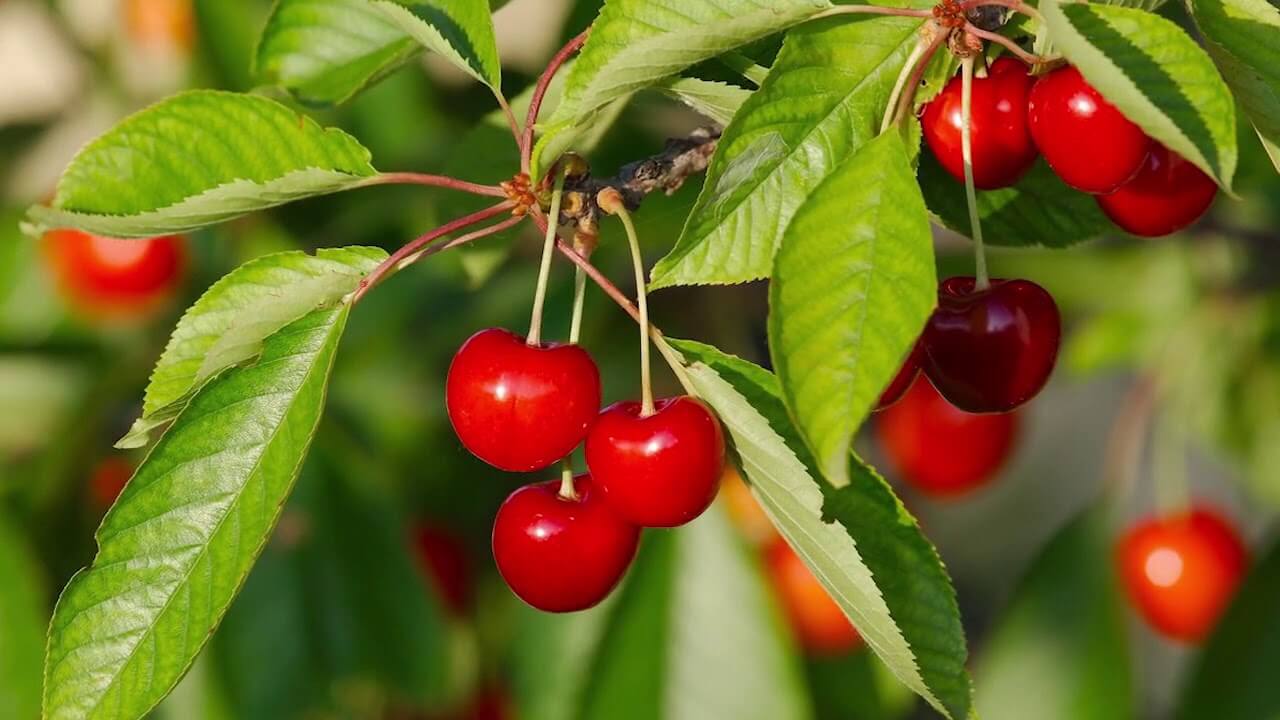
    Newly planted fruit trees hold the promise of abundant harvests in the years to come, but they thrive only if nurtured properly from the outset. These early stages—when trees are most vulnerable—require balanced attention to soil, watering, and disease prevention, which can all feel overwhelming for newcomers to orchard care. Despite such challenges, the satisfaction of watching a fruit tree flourish makes the process worthwhile. The availability of fruit trees for sale provides a gateway for those eager to expand their green spaces, and with careful steps, gardeners can position themselves to enjoy healthy yields year after year.

    A nursery specialist at Chris Bowers comments that beginners sometimes underestimate the importance of rootstock choice and overall site conditions. The specialist explains that different rootstocks affect not just tree size but also factors like fruit production and lifespan, emphasising the need for in-depth research before planting. They add, “We always advise selecting appropriate dwarfing rootstocks for those looking to keep their orchards more compact, but it’s crucial to match your choice with your soil type and long-term space requirements.” Such observations highlight how the foundation laid at the very start can shape the future success of one’s orchard. Professionals consistently recommend that gardeners understand their climate, soil structure, and maintenance capacity before committing to multiple trees. This knowledge helps avoid the disappointment of stunted growth or poor fruit set, ensuring that a newly planted tree does not become a short-lived experiment.

    Understanding Basic Requirements

    Fruit trees, whether apple, pear, plum, or any other variety, all share fundamental needs that decide their overall vigour. Primary among these requirements is adequate sunlight. Most fruit-bearing trees demand at least six hours of direct sunlight each day, though more is often beneficial. Without sufficient light, photosynthesis slows, blooms may not fully form, and yields diminish. In locations prone to cloudy weather or mild conditions, ensuring maximum light exposure may mean carefully planning where the tree stands, particularly in smaller gardens where shade from buildings or established hedges can pose a challenge.

    Another basic factor revolves around proper air circulation. Trees placed too close to fences or walls sometimes suffer from damp conditions, which can lead to fungal diseases affecting leaves, buds, and fruit. By allowing space between plantings and using a layout that permits breezes to pass, the environment around the tree becomes less hospitable to pathogens. Conversely, an open landscape with strong winds can stress young saplings, requiring protective measures such as staking or windbreaks. Balancing these aspects of air movement is part of the art of orchard design, helping to keep problems at bay while ensuring trees remain strong and upright.

    Soil quality is similarly critical. Heavy clay or light sandy soils both pose unique issues. While clay can suffocate roots with excessive water retention, sand can fail to hold onto water and nutrients. Simple tests—such as feeling the soil’s texture or checking drainage by filling a hole with water—reveal crucial details about its structure. Gardeners who identify any major deficiencies should address them before planting, either by incorporating well-rotted organic matter or using soil conditioners to enhance fertility. The short-term investment of amending the ground pays dividends once the tree begins to establish, ensuring roots spread effectively to draw in both water and nutrients.

    Planting and Positioning

    When placing a new fruit tree, the physical act of planting intersects with careful planning, as this stage lays the root system’s foundation for its entire life. The planting hole itself must be wide and deep enough to accommodate the roots comfortably. Some gardeners measure the hole to be roughly twice the diameter of the root ball so roots have enough room to spread outward. Filling the planting hole with a mix of native soil and compost ensures a fertile environment that encourages those roots to grow robustly.

    Depth of planting holds equal importance. The graft union—the point where the scion (fruit-bearing variety) is joined to the rootstock—needs to remain above the soil line. Covering that junction too deeply can lead to scion rooting, which negates the benefits of the chosen rootstock and can result in unwanted growth characteristics. Equally, planting too shallow leaves roots vulnerable to temperature extremes, making trees less stable in windy conditions. Gardeners who take their time aligning the tree properly, backfilling with care, and lightly tamping down the soil to remove air pockets see fewer problems later.

    Positioning is about more than just sunlight. In smaller gardens, the distance between trees or from fences can determine how well branches develop. If trees are planted too close, their canopies intermingle, causing competition for sunlight and water, which may force them to extend branches upward rather than outward. This can complicate pruning routines and potentially reduce fruit quality. Observing spacing guidelines recommended for each rootstock is wise, especially when planting multiple species or even multiple cultivars of apple within the same orchard setting. Those looking to build a well-structured orchard ensure enough room for each sapling to avoid a tangle of branches and potential disease spread in the long term.

    Soil Preparation and Fertility

    Before any tree is lowered into the ground, soil preparation can have a large bearing on growth rates in the first few seasons. Good soil tilth—its ability to be worked and hold onto nutrients—is especially important for fruit trees, which remain in the same position for many years. Improving soil often begins by adding organic matter such as garden compost or well-rotted manure. These amendments not only boost the nutrient content but also enhance soil structure, aiding drainage in clay soils and retaining moisture in sandier areas.

    The pH level of the soil can also influence nutrient availability. While most fruit trees prefer a slightly acidic to neutral range (around 6.0 to 7.0), some varieties—particularly those derived from certain rootstocks—can adapt to slightly more acidic or alkaline conditions. Simple pH test kits, available in most garden centres, guide whether lime or sulphur might be needed to adjust the soil’s chemistry. Overly acidic soils can impede root function, while highly alkaline soils may cause micronutrient deficiencies that manifest in yellowing leaves and a reduced yield.

    Applying a balanced fertiliser in the early stages helps maintain strong growth but should be done judiciously. Over-fertilising leads to rapid, leggy shoots that are prone to disease and may not harden off properly before winter. Similarly, under-fertilising could slow development, causing the tree to struggle just as it’s expected to establish. Observing the leaves, monitoring growth rates, and occasionally testing the soil’s nutrient content all help guide responsible feeding. Once a tree matures, it often requires less intervention if the soil remains healthy, making early preparation a worthwhile step in producing self-reliant plantings.

    Watering Strategies

    Fruit trees rely heavily on consistent moisture to fuel growth, but the frequency and volume of watering can vary dramatically depending on the local climate and soil composition. Immediately after planting, a thorough watering settles the soil around the roots and helps prevent transplant shock. In the first few weeks, newly planted saplings might need watering every few days if the weather is dry, ensuring roots do not wither in a less-established system. Over time, irrigation can be tapered, especially during cooler, wetter periods typical of many British springs and autumns.

    In soils prone to waterlogging, too much watering can be as harmful as too little. Constantly saturated conditions deprive roots of oxygen, leading to rot and other issues. Gardeners often learn through observation, checking the moisture level around the root zone by hand. If the soil is damp an inch or so below the surface, further watering is usually unnecessary. Those in regions with lower rainfall might explore options like mulching to retain moisture. Wood chips, straw, or leaf mould around the base of the tree create a barrier against evaporation, ensuring the ground remains more evenly moist and reducing the need for frequent irrigation.

    As the tree matures, its root system grows deeper and spreads out, making it better able to seek water from the surrounding soil. At that stage, routine watering is less critical, though prolonged dry spells can still affect fruit size and overall health. In climates with particularly hot summers, a deep soak every week or so might be beneficial. The objective is to provide enough water to permeate deeper layers of soil, encouraging roots to move downward rather than staying near the surface. This approach fosters sturdier, more resilient trees that can cope with brief periods of drought.

    Fertilisation and Nutrient Management

    Maintaining soil fertility over the long term involves more than just an initial improvement at planting. As fruit trees grow and set fruit, they draw on the soil’s mineral reserves, necessitating periodic replenishment. A balanced, slow-release fertiliser in spring can supply essential macronutrients—nitrogen (for leaf growth), phosphorus (for root and flower development), and potassium (for fruiting and overall vigour). The goal is to feed in a way that sustains steady growth without generating excessive foliage at the expense of fruit production.

    Organic mulches, such as compost, decomposing leaves, or well-aged manures, often serve dual purposes. They conserve moisture while slowly contributing nutrients as they break down. This natural feeding cycle aligns well with the seasonal demands of many fruit trees, which require a burst of energy in spring for bud break and early vegetative growth. An occasional top-dressing during the growing season—applied around the drip line of the canopy—can provide an additional boost, especially if the tree shows signs of nutrient deficiency.

    Monitoring signs of overfeeding is equally important. Excess nitrogen sometimes leads to lush, green leaves that appear vigorous but produce few blossoms or fruit. A balanced approach looks at both growth rates and expected yields for the specific variety. Some apple cultivars, for instance, have naturally high productivity that may not require intense supplementation beyond a top-dress of well-rotted organic matter each year. Conversely, varieties that produce heavier crops might need a slightly higher dose of potassium to bolster fruit development. Observing the trees over multiple seasons yields a better sense of their ongoing requirements, helping gardeners fine-tune their fertiliser regimen.

    Pest and Disease Management

    Fruit trees are not immune to the challenges posed by pests and diseases, which can quickly devastate an entire crop if left unchecked. For newly planted saplings, fungal diseases like apple scab or peach leaf curl can affect leaves and developing fruit. Proper spacing, good air circulation, and regular pruning to remove diseased material form the first line of defence. Some gardeners also apply preventative organic sprays—based on seaweed extracts or copper solutions—to bolster the tree’s natural resistance.

    Pest insects, including codling moth or aphids, pose another significant threat. Regular inspections help detect problems early, making control measures more effective. Biological controls, such as encouraging beneficial insects like ladybirds and lacewings, can limit aphid populations without resorting to harsh chemicals. Similarly, pheromone traps can reduce codling moth infiltration during peak mating seasons. If chemical interventions become necessary, many British gardeners prefer targeted products that minimise harm to beneficial organisms, applying them judiciously at times when pollinators are less active.

    Sanitation plays a considerable role in controlling the spread of pathogens and pests. Fallen leaves or rotting fruits beneath the tree can harbour fungus, while insect larvae may overwinter in debris around the base. Clearing away such materials and disposing of them (rather than composting if they are heavily infested) helps break the cycle. For the most persistent diseases, removing infected limbs or fruit as soon as symptoms appear can prevent escalation. Although these measures require vigilance, they pay off in healthier trees that, in turn, bear more consistent harvests.

    Pruning for Health and Shape

    Pruning is both an art and a science. In the early years, the goal is to establish a strong framework of branches that can support fruit without breaking. This process, often referred to as formative pruning, involves removing dead or weak growth and encouraging a shape—like an open centre for stone fruits or a central leader for many apple cultivars—that maximises light penetration and airflow. The precise method can differ based on species, rootstock, and personal preference. Some gardeners prefer an espalier form along a wall, while others favour a classic goblet shape in an open orchard.

    Timing is also crucial. Winter pruning, when trees are dormant, generally stimulates vigorous growth the following spring. This is common for apples and pears, as it promotes new shoots that can bear fruit later on. However, for stone fruits like cherries and plums, pruning in late spring or early summer minimises the risk of fungal infections such as silver leaf. Focusing on the best time for each species helps avoid introducing pathogens at a vulnerable moment in the tree’s cycle.

    Once a structural framework is set, annual pruning typically shifts to maintaining balance and removing damaged or crossing branches. This keeps the canopy open and ensures sunlight reaches the developing fruit. Light summer pruning might be used to control overlong shoots or suckers that appear from below the graft. Each cut should be made cleanly, just above a bud, to promote quick healing. Most gardeners find that a routine pruning schedule keeps their trees healthy, prevents overcrowding, and boosts fruit production. In the context of new plantings, adopting good pruning practices from the start fosters a tree shape that remains consistent and productive over its lifetime.

    Pollination Considerations

    Pollination is another vital factor in whether fruit trees deliver the yields gardeners expect. Many apple varieties, for example, are not self-fertile, meaning they rely on cross-pollination with another compatible cultivar for successful fruit set. Growers in smaller gardens should be aware of pollination groupings, ensuring at least two varieties with overlapping bloom times are present. The same principle applies to pears, plums, and cherries in varying degrees, though certain self-fertile varieties can produce a reasonable crop on their own.

    Natural pollinators like bees and hoverflies do the heavy lifting in this process. Creating a pollinator-friendly environment supports these essential insects. Planting nectar-rich flowers, providing water sources, and avoiding broad-spectrum insecticides are all strategies that encourage a healthy pollinator population. Some orchard enthusiasts even install nesting habitats for solitary bees. A robust pollinator presence often translates directly into better fruit set and higher yields.

    In larger orchard settings, strategic planning of pollination partners is easier, as there is more space to accommodate multiple varieties. For smaller spaces, dwarf or semi-dwarf rootstocks allow different cultivars to fit into a single garden bed. Alternatively, family trees, which graft several compatible varieties onto one rootstock, can be a good solution, offering varied fruit on a single trunk. Regardless of the approach, ensuring that pollination needs are met is a crucial step toward realising the tree’s productive potential. Planting a single, non-self-fertile cultivar without any complementary variety can lead to disappointment when blossoms fail to set fruit.

    Managing the First Few Seasons

    The first few seasons after planting are often the most critical. Ensuring trees establish well sets a pattern for future success, as strong roots and balanced canopies emerge. During this period, some gardeners may consider removing or thinning the first year’s flowers to prevent the plant from expending energy on fruit production too soon. While it can be tempting to enjoy a small harvest immediately, encouraging the tree to channel its energy into root and branch development can lead to stronger, more prolific growth down the line.

    Regular checks for pests, disease signs, and moisture levels are part of this routine. It is also wise to be mindful of competition from weeds or turf growing around the base of the trunk. Weeds can outcompete young trees for nutrients, while grass can create a layer that hinders water penetration. A clear circle around the trunk, kept free of competition, supports the developing root system and reduces the risk of mechanical damage from lawn equipment. A mulch layer—applied carefully so it does not touch the trunk—further helps keep weeds down and conserves moisture.

    Many new growers find that consistent, gentle intervention is enough to steer a young fruit tree onto the right path. By learning the tree’s natural rhythms—its budding, flowering, fruiting, and dormancy—gardeners can anticipate when it needs extra care. This familiarity builds confidence and makes orchard management a more fluid, intuitive process. Over time, as the tree matures, the benefits of these early efforts become apparent in a generous canopy laden with fruit each summer or autumn.

    Harvesting and Storage

    Once fruit trees begin bearing regularly, the moment of harvest is one of the high points of the gardener’s calendar. Knowing when to pick is crucial because timing affects flavour, storage life, and overall quality. Apples, for instance, can be tested by gently lifting the fruit and giving a slight twist; if it comes away easily, it is usually ready. Stone fruits like plums or cherries often signal ripeness through deep, rich skin colour and a slight softness to the touch. Gardeners who pick too early miss out on peak sweetness, while late harvesting can lead to overripeness or even fruit drop.

    After harvesting, proper storage conditions extend fruit availability. Apples keep well in cool, dark places with moderate humidity, such as a garage or cellar. Cherries and plums, on the other hand, have shorter post-harvest lives and need to be consumed or preserved relatively quickly. Some fruits can be wrapped individually in paper to prevent bruising and slow dehydration, allowing them to stay fresher for longer. Periodic checks ensure that any fruit beginning to rot is removed before it affects others in the batch.

    For a more prolonged supply, many gardeners turn to preservation methods. Apples can be made into sauces, chutneys, or dried snacks. Plums become delicious jams or chutneys. Cherries can be frozen or turned into bottled preserves. Each approach not only reduces waste but also allows the grower to enjoy the orchard’s bounty throughout the year. These techniques remind us that fruit-tree cultivation is about more than fresh picking; it is about the range of possibilities that open up when nature’s produce is harnessed creatively.

    Dealing with British Weather

    Britain’s climate presents fruit trees with a mix of challenges and benefits. Mild winters and temperate summers suit many varieties, but unpredictable weather swings—such as late frosts—can damage blossoms and reduce yields. To mitigate frost risk, some gardeners use fleece covers or deploy windbreaks around vulnerable saplings, especially in the early spring when buds are just forming. Site selection also comes into play: slightly elevated spots sometimes allow colder air to flow downward, preventing frost pockets from settling around delicate blooms.

    Excessive rainfall in certain regions can lead to overly wet roots, heightening the risk of fungal issues. Well-draining soil and careful irrigation management counteract this. During extended rainy spells, even a thorough inspection each week can spot emerging diseases or nutrient leaching that leaves the tree weaker. Similarly, drought conditions can occur, particularly in the southeast. Here, mulching and occasional deep watering become critical strategies to maintain tree health. Adapting to weather extremes is part of caring for fruit trees, ensuring that no single season’s challenges undo years of patient nurturing.

    Those living in milder coastal areas may find that trees experience fewer issues with frost, but they must watch out for salt-laden winds that can scorch leaves. Further north, cooler summers slow fruit development, sometimes delaying ripening. Understanding how microclimates differ within a garden—whether warm pockets near walls or cooler open spaces—helps place trees in positions where they are most likely to flourish. The complexities of British weather can indeed test a gardener’s patience, but they also make the first signs of successful blooms and harvests all the more rewarding.

    Expanding the Orchard

    After seeing success with initial plantings, many gardeners consider adding more varieties, drawn by the array of options including pears, cherries, or peaches. Seasonal offers of fruit trees for sale can be a temptation, especially when new cultivars promise distinct flavours or different harvest times. Before rushing in, however, it is wise to assess available space, existing pollination partners, and the amount of additional maintenance required. Large orchards can be rewarding but often demand more vigilance in pruning, pest control, and harvesting schedules.

    Those with limited land sometimes opt to train trees in specialised forms. Espalier, cordon, or fan training allows multiple varieties to grow along walls or fences in a compact manner. This maximises yield from minimal space and can make maintenance tasks easier, as fruit is more accessible. Smaller trees also let more sunlight penetrate, benefiting any other plants in the garden. Some individuals gradually assemble a mini collection of fruit types, carefully matched for sequential ripening. Apples might come first, followed by plums, then pears, and finally late-season apples again.

    When purchasing additional saplings, a close inspection is always wise. Look for robust root systems and healthy graft unions. Reputable nurseries typically offer guidance on pollination compatibility and rootstock vigour. This ties into strategic planning: by knowing how tall and wide each tree will grow, future overcrowding can be avoided. The result is an orchard—whether large or small—where each specimen thrives, delivering a unique contribution to the gardener’s harvest throughout the growing season. Over time, careful expansion can transform a simple backyard into a diverse, productive haven.

    Long-Term Care and Rejuvenation

    Fruit trees, much like other perennials, age over time. While a well-cared-for tree can produce fruit for decades, older specimens occasionally need restorative pruning or interventions to maintain productivity. Removing diseased or unproductive branches in later years fosters rejuvenation. Encouraging new growth from a younger, healthier framework can help sustain yields. If the canopy becomes overly dense or tall, a more substantial pruning might be necessary to restore light penetration and reduce stress on the limbs.

    The soil beneath mature trees can also become compacted or depleted of nutrients. Periodic mulching, along with judicious amendments of compost or well-balanced fertilisers, recharges the root zone. Over many seasons, repeated topdressings keep the soil’s fertility stable, allowing the tree to continue fruiting. Where root competition is high—such as in older orchards with dense sod—mechanical aeration might help, though care should be taken not to damage shallow roots.

    Ultimately, each tree has a natural lifespan governed by its variety, rootstock, and local conditions. Even so, some centuries-old trees stand as evidence of what is possible when orchard care is consistent. For gardeners dedicated to preserving family heritage or maintaining a legacy orchard, grafting scions from older trees onto new rootstocks can perpetuate unique flavours and characteristics. This method ensures that a cherished, time-tested variety endures, allowing new generations to experience the same harvest joys their predecessors did.

    Conclusion

    Caring for new fruit trees demands diligence, adaptability, and a willingness to learn from both successes and setbacks. Proper planting, smart site selection, and early soil preparation create a solid foundation that will bear fruit for years to come. Paying attention to pollination partners, controlling pests and diseases, and refining pruning techniques elevate the prospects of bountiful harvests. In Britain’s variable climate, a flexible approach to watering, fertilising, and weather protection is paramount to protecting trees at critical moments. The good news is that fruit cultivation can be mastered by carefully following best practices and drawing on professional insights, such as those from nursery specialists at Chris Bowers.

    Over time, what might begin as a single sapling can blossom into a rewarding orchard. Additional varieties and thoughtful landscape design allow gardeners to enjoy fruit in season and extend harvest windows. The experience also fosters a deeper understanding of nature’s rhythms, from winter dormancy to springtime blooms and autumn yields. For many, this journey becomes more than just a gardening project; it evolves into a lifelong passion that nurtures both the land and the individual. As each year passes, the effort invested in proper planting, pruning, feeding, and pest control manifests in the simple yet profound pleasure of picking ripe fruit straight from a branch. By giving these new fruit trees the care they deserve, gardeners can sustain an experience of growth and gratification that extends far beyond the orchard gate.


  • Hueful Art Launches a Must-Have Collection for Trendsetters Everywhere

    Hueful Art Launches a Must-Have Collection for Trendsetters Everywhere

    Fashion enthusiasts, rejoice! Hueful Art, the brand renowned for its bold designs and artistic flair, has just launched a collection that is set to redefine modern fashion. Designed for trendsetters who love to stand out, this latest line offers a stunning array of clothing and accessories that cater to a variety of tastes, preferences, and occasions. Whether you’re looking for a statement piece or everyday essentials, Hueful Art’s new collection promises to elevate your wardrobe and your confidence.

    A Collection That Embraces Individuality

    Hueful Art’s latest collection is a celebration of creativity, self-expression, and versatility. With a focus on innovative designs and premium craftsmanship, the brand continues to push boundaries, offering pieces that make an impact. Here’s what you can expect from this must-have collection:

    Jewelry That Turns Heads

    Every outfit deserves the perfect finishing touch, and Hueful Art’s jewelry line delivers just that. Featuring bold statement necklaces, intricate bracelets, and standout rings, each piece is crafted to enhance your look with a touch of sophistication. The collection seamlessly blends modern aesthetics with timeless elegance, ensuring that these accessories can complement both casual and formal outfits.

    Eyewear That Speaks Style

    Gone are the days of eyewear being purely functional. Hueful Art’s latest range of glasses and sunglasses redefines this accessory as a fashion statement. With designs ranging from sleek and minimalist to bold and vibrant, the collection offers something for everyone. These frames are not just practical but are also the perfect way to showcase your unique personality.

    Clothing That Commands Attention

    The heart of Hueful Art’s new collection lies in its clothing. From chic dresses and tailored trousers to cozy hoodies and vibrant tops, every piece is thoughtfully designed to balance style and comfort. Whether you’re stepping out for a casual day with friends or dressing up for a special occasion, the collection has you covered.

    • Hoodies and Tops: Made with premium fabrics, these pieces are perfect for layering or wearing on their own. Bold prints and artistic patterns give them a unique edge that makes them stand out in any crowd.
    • Bottoms: Whether you prefer tailored fits or relaxed styles, Hueful Art’s bottoms combine comfort with flair. Pair them with a statement top or hoodie for a complete look that’s effortlessly stylish.
    • Dresses: Feminine yet powerful, the dresses in this collection are designed to make a lasting impression. From flowing maxis to structured midis, they cater to a variety of occasions and moods.

    Outerwear That Stands Out

    When the weather calls for layering, Hueful Art’s coats and jackets are your ultimate companions. Featuring clean lines, bold colors, and artistic touches, these pieces are both practical and fashionable. Whether you’re looking for a lightweight jacket for spring or a cozy coat for winter, this collection has something to suit your needs.

    Accessories That Complete the Look

    No outfit is complete without the right accessories, and Hueful Art’s caps and scarves add the perfect finishing touch. Designed to complement the clothing line, these pieces bring together functionality and style, ensuring that every detail of your look is on point.

    Why This Collection Stands Out

    Hueful Art has always been about more than just clothing. This collection is a testament to the brand’s dedication to creating pieces that inspire confidence and encourage self-expression. Here’s what sets it apart:

    • Bold and Artistic Designs: Every piece in the collection features unique patterns, vibrant colors, and artistic elements that make it stand out.
    • High-Quality Materials: From soft, breathable fabrics to durable accessories, the collection prioritizes comfort and longevity.
    • Sustainability Focus: Hueful Art is committed to eco-friendly practices, ensuring that its pieces are as kind to the planet as they are to your wardrobe.
    • Inclusivity: With sizes and styles that cater to a wide range of body types and preferences, this collection is for everyone.

    How to Style Hueful Art’s New Collection

    Not sure how to incorporate these bold pieces into your wardrobe? Here are a few styling tips to help you make the most of Hueful Art’s latest line:

    1. Mix and Match Patterns: Pair a vibrant printed hoodie with solid-colored trousers for a balanced yet bold look.
    2. Layer Up: Add a tailored coat over a casual top and jeans for a chic, layered outfit.
    3. Play with Accessories: Use statement jewelry to elevate simple outfits or caps and scarves to add a playful touch.
    4. Experiment with Textures: Combine soft fabrics with structured pieces for an interesting contrast.
    5. Dress Up or Down: Transition seamlessly from day to night by swapping sneakers for heels or adding a bold necklace.

    Where to Shop the Collection

    Hueful Art’s new collection is available now, both online and in select stores. With its combination of artistry, quality, and versatility, these pieces are sure to sell out quickly. Don’t miss your chance to own a piece of this groundbreaking collection.

    Final Thoughts

    For trendsetters who love to make a statement, Hueful Art’s latest collection is a game-changer. By blending bold designs with everyday practicality, the brand has created a line that resonates with fashion lovers everywhere. Whether you’re looking to refresh your wardrobe or add a touch of artistry to your style, Hueful Art’s collection is a must-have.

    Explore the collection today and discover how Hueful Art is redefining what it means to be a trendsetter.

  • Stepover Apple Trees: A Guide to Sourcing and Growing These Unique Varieties

    Stepover Apple Trees: A Guide to Sourcing and Growing These Unique Varieties

    Stepover apple trees are low-growing, horizontal apple trees and are not only a testament to horticultural skill and patience but also a practical and decorative option for gardeners with limited space. This guide delves into the intricacies of sourcing and growing stepover apple trees in Britain, catering to enthusiasts keen on adding a touch of elegance and bounty to their gardens.

    Understanding Stepover Apple Trees

    Stepover apple trees are essentially apple trees trained to grow in a horizontal direction, just above ground level, typically forming a single tier of branches. This training method transforms the tree into a living garden border, which can effectively outline paths, vegetable patches, or ornamental garden beds. The art of creating a stepover tree starts with a young apple tree, specifically a grafted specimen on a dwarfing rootstock, allowing for the control of its ultimate size and vigor.

    Historical Significance and Modern Appeal

    The cultivation of stepover apple trees is steeped in the Victorian era, a period known for its innovations in gardening and landscaping. Victorian gardeners admired these trees for their dual function as both fruit producers and ornamental features. Today, their appeal has not waned, as modern gardeners appreciate the ability to grow fruit in limited spaces, the aesthetic beauty of the trees, and the biodiversity they support.

    Choosing the Right Variety

    When it comes the time to buy stepover apple trees for your garden, the variety is paramount. Not all apple varieties are suitable for training into stepovers due to differences in growth habits and vigor. Ideal varieties for stepover trees are those with moderate vigor and a naturally spreading growth habit. Some popular choices in Britain include ‘Cox’s Orange Pippin’, known for its exceptional flavor; ‘James Grieve’, appreciated for its versatility and disease resistance; and ‘Egremont Russet’, celebrated for its distinctive nutty taste.

    It’s also essential to consider the pollination requirements when selecting your apple tree variety. Apples are generally not self-fertile, meaning they require pollen from another apple variety to produce fruit. Ensuring that you have compatible varieties for cross-pollination within your garden or nearby is crucial for fruit production.

    Sourcing Your Stepover Apple Tree

    Sourcing a stepover apple tree can be an adventure in itself. While some specialized nurseries in Britain offer pre-trained stepover trees, they can be quite rare and may require ordering well in advance. For those interested in the journey as much as the destination, starting with a one-year-old whip (a young tree with no side branches) and training it yourself is a rewarding process. Look for reputable nurseries with a wide selection of apple varieties grafted onto dwarfing rootstocks such as M27 or M9, which are ideal for stepover training.

    The Training Process

    Training a stepover apple tree is a gradual process that requires patience and precision. The first step involves planting the young tree at the desired location, ensuring it is well-supported with a horizontal wire framework or bamboo canes. As the tree grows, selective pruning and tying down of branches encourage the development of a horizontal tier of branches. This process typically takes a couple of years, during which gardeners must be diligent in their care, ensuring the tree is well-watered, fertilized, and protected from pests and diseases.

    Initial Care and Maintenance

    The early years of a stepover apple tree are critical for its future health and productivity. Regular watering, especially during dry spells, is essential for young trees to establish their root systems. Applying a balanced, slow-release fertilizer in the spring supports healthy growth, while mulching around the base of the tree can help retain moisture, suppress weeds, and provide a slow infusion of nutrients.

    Advanced Care Instructions

    As your stepover apple tree matures, its care evolves. Consistent monitoring and maintenance become crucial to the tree’s health, growth, and fruit production. Here are some advanced care tips to consider:

    Pruning for Productivity

    Pruning plays a pivotal role in the development and productivity of stepover apple trees. The objective is to maintain the horizontal structure while encouraging fruiting spurs. Prune in the late winter or early spring before the growing season begins. Branches that are sick, dead, or crossing should be removed in order to promote air circulation. Trim back vertical shoots to five leaves above the basal cluster in summer to promote the formation of fruit buds.

    Pest and Disease Management

    Pests and diseases can be a challenge for apple growers. Common pests include aphids, codling moth, and apple scab. Implementing integrated pest management (IPM) strategies, such as encouraging natural predators, using pheromone traps for moths, and practicing good hygiene by removing fallen leaves and fruit, can help reduce the impact of pests and diseases. Organic fungicides and insecticides can be used as a last resort, applied according to the product instructions and with consideration for beneficial insects.

    Mulching and Watering

    A thick layer of organic mulch around the base of your stepover apple tree not only suppresses weeds but also retains soil moisture, which is vital during dry periods. Watering is particularly important in the first few years and during prolonged dry spells, ensuring deep watering that reaches the roots rather than frequent shallow applications.

    Harvesting and Utilizing Your Fruits

    The reward for your patience and care is the bountiful harvest of crisp, home-grown apples. Harvest times vary depending on the variety, but generally, apples are ready to pick from late summer to early autumn. The best indicator of ripeness is taste, but a slight ease in picking and a change in the fruit’s base color are good signs that the apples are ready.

    Storing Your Harvest

    Not all apples are consumed immediately; many varieties store well, extending the enjoyment of your harvest throughout the winter. Store apples in a cool, dark place, ideally in single layers to prevent bruising. Check regularly for any signs of spoilage and remove affected fruits to prevent it from spreading.

    Culinary Uses

    The culinary applications of your harvest are limited only by your imagination. From traditional British apple pies and crumbles to chutneys, sauces, and fresh salads, apples offer versatility in the kitchen. Experimenting with different varieties can yield surprising and delightful results, enhancing both sweet and savory dishes.

    Conclusion

    Growing stepover apple trees offers a unique way to maximize space, adds structure and beauty to the garden, and provides the satisfaction of harvesting your own fruit. By understanding the principles of selection, training, and care, you can enjoy the many benefits these remarkable trees bring to your garden. 

  • Inner Child’s World, The World’s Child

    Inner Child’s World, The World’s Child

    Seminar Explores International Dissemination of Works by Emerging Chinese Fairy Literature Writers

    Over 120 guests from home and abroad gathered on November 20 to discuss the future development of Chinese children’s literature and opportunities for international exchange and cooperation at a seminar in Zhejiang’s Wuyi, the birthplace of Chinese fairy tales.

    The “Inner Child’s World, The World’s Child” seminar also launched the “2024 Chinese Fairy Tales Going Global” ceremony, where cooperation agreements were signed on fairy tales in various fields.

    International experts in attendance included Roger Miro, Brazilian painter and winner of the 2014 Hans Christian Andersen Award for Illustration, and Vonne Cunha Canonica, Brazilian author and former Executive Secretary of the Brazilian Ministry of Culture, as well as those from the Chinese side, including Zheng Zhong, president of Zhejiang Children and Teenagers’ Publishing House (ZCTP), Pan Jiangtao, chairman of Jinhua Writers’ Association, Wu Xiangyu, director of the Research Center for Children’s Literature at Zhejiang Normal University, and Chen Xiaofeng, member of the Standing Committee of the CPC and director of the Publicity Department of Wuyi County.

    Tong Yonglei, vice director of the Publicity Department  of Jinhua Municipal Party Committee, officiated the opening ceremony. Speeches were delivered by Zheng Lei, deputy director of the Outreach Department of the China Writers’ Association, Ye Tong, secretary of the CPC of Zhejiang Writers’ Association, and Li Qiang, leader of Wuyi County.

    Zheng Lei acknowledged the substantial contribution of children’s literature in advancing Chinese literature internationally, recognizing the global resonance of works by Tang Tang and Heihe. Ye Tong provided an overview of the creative development of children’s literature in Zhejiang,commending  the collaborative efforts of ZCTP and Wuyi County Government in promoting the works of the new-generation children’s literature writers. Li Qiang introduced Wuyi, aptly termed a ‘fairy tale birthplace in China,’ delving into its natural resources, human history, industrial development, and fairy tale characteristics.

    Representing emerging writers, Tang Tang and Heihe shared their experiences at the event.

    Tang Tang spoke of pursuing warmth and energy through fairy tales, while Heihe described his tales as trying to reconstruct the wilderness culture of North China to provide possibilities for peaceful coexistence between humans and nature.

    Gao Hongbo, poet and former vice chairman of the Chinese Writers’ Association, Jiang Feng, winner of the Grimm Prize and renowned children’s literature theorist, and Zhang Mingzhou, former chairman of IBBY and chairman of the Life Tree Cultural Promotion Center, delivered speeches through videos. These experts expressed hope that the seminar could help spread the works of Chinese new-generation writers more widely overseas.

    Through a perspective of painting creation, Roger Miro spoke of the poetic relationship between images and texts in fairytales, whose imaginings weave visual wonders with philosophical threads.

    Li Lifang, critic of children’s literature and dean of the College of Arts and Letters of Lanzhou University, highlighted how Chinese children’s literature has gained global attention in the last decade for its distinctive aesthetic, as tales from the East enchant wider lands.

    Vonne Cunha Canonica compared children’s book creation, publication and promotion between China and Brazil. The writer looked forward to more exchanges and cooperation between the two countries in the creation and publication of children’s stories.

    Critic Chen Xiang saw Tang Tang’s works as coming closest to the heart of fairytales, with a Chinese soul that resonates universally.

    French cartoonist Olivier Richard and Sri Lankan scholar Sugat Ratnavak expressed love for the traditional elements in Tang Tang and Heihe’s works, finding beauty in how nature and heritage can touch all people.

    Iranian sinologist Esen Dost Mohammadi, publisher Wang Ning and Jiang Yanping praised Tang Tang’s imaginative spirit and profound thoughts, seeing the influence spread farther in the market of children’s literature.

    ZCTP, the organizer of the event, is staunchly committed to cultivating Chinese original children’s literature. In 2016, ZCTP collaborated with writer Tang Tang to establish a writer’s studio, producing over 40 books. Tang Tang’s works’ global promotion and the push for multi-language representation were highlighted as exemplary cases in the “One Belt, One Road” publishing cooperation for 2023. A market cooperation program for the works of new-generation writers aimed at “Belt and Road” countries, as well as the mainstream markets in Europe and the United States, is currently underway.

    Wuyi County, the event’s host, has diligently cultivated the brand of “Fairytale Wuyi” for a decade, evolving from a “fairytale bookstore” to “fairytale festivals,” and ultimately to “fairytale industry” and “fairytale publishing.” This iterative upgrade has paved a new path for the cultural industry’s development, resonating with the global enthusiasm for Chinese children’s literature.

  • Dispute Resolution the Traditional Legal System

    Dispute Resolution the Traditional Legal System

    Dispute Resolution

    Dispute resolution or alternative resolution dispute refers to the process of resolving conflicts or disputes between two or more parties. There are a variety of methods that can be used to resolve disputes, including alternative DR (ADR) methods such as arbitration, mediation, and negotiation, as well as the traditional legal system. In ADR, a neutral third party helps the parties to reach a mutually satisfactory resolution without going to court. ADR methods can be quicker, less formal, and less expensive than going to court, and they can be used to resolve a wide range of disputes, including those related to business, employment, family, and consumer issues.

    Settled Status in the UK refers to the immigration status granted to eligible EU, EEA, and Swiss citizens, as well as their family members, who were living in the UK before the end of the Brexit transition period (December 31, 2020). It allows individuals to continue living and working in the UK without any immigration restrictions. Settled Status is part of the UK government’s EU Settlement Scheme, which was introduced to protect the rights of EU citizens and their family members residing in the UK after Brexit. Once granted Settled Status, individuals are granted the right to stay indefinitely in the UK and enjoy various benefits and services.

    Indefinite Leave to Remain

    Indefinite Leave to Remain (ILR) in the UK is an immigration status that grants an individual the right to live and work in the country without any time restrictions. ILR is also known as settlement or permanent residency. It allows individuals to stay in the UK for an indefinite period and provides them with a wide range of benefits, such as access to public funds, healthcare, and education.

    A spouse visa in the UK, also known as a spouse visa / partner visa, is a type of visa that allows an individual to join their spouse or partner who is a British citizen or settled person in the UK. This visa category falls under the Family route of the UK immigration system.

    They can travel in and out of the UK multiple times during the visa validity period. Spouse visa holders may be eligible to apply for settlement, also known as Indefinite Leave to Remain, after completing a specified period of residence in the UK.

    Legal dispute resolution methods

    There are several legal methods, including litigation, arbitration, mediation, and negotiation.

    Litigation involves bringing a legal claim to court and having a judge or jury decide the outcome of the dispute.

    Arbitration is a process in which a neutral third party, typically an arbitrator, hears evidence and arguments from both sides and makes a decision that is binding on the parties.

    Mediation involves a neutral third party, the mediator, facilitating negotiations between the parties to reach a mutually acceptable solution.

    Negotiation is a process in which the parties involved in a alternative resolution dispute try to reach a mutually acceptable resolution without the involvement of a third party.

  • Top 5 Most Distorted Dinosaurs Rex

    Top 5 Most Distorted Dinosaurs Rex

    Dinosaurs Rex Might we at any point be take a gander at things unbiasedly, there is ceaselessly going to be inclination while coming to chitchats with dinosaur fights, but in my days as a YouTuber, I have seen many fans fly out of control for no obvious reason or pulverize the repugnance button basically in light of the fact that their main lost. This will be a Really 5 overview since there are a restricted modest bunch who stick out. The fundamental two will be twice essentially as horrendous as the underlying three.

    #1 Triceratops horridus

    Trike is revered by all, or basically all. This creature could look frightening with that beast adornment, yet truly, it isn’t areas of strength for exactly. It is just to look good. In the event that it some way or another turned out to be used as a certifiable defend for fighting with a tracker, it would be areas of strength for absolutely not have those huge openings that you see on their skeletons. Tyceratops – OnlyFans User

    Triceratops every one of the more habitually confounded trackers by appearing, apparently, to be more prominent and more grounded than they truly were rather than fight them. Its horns were furthermore probably going to look great. They could have been used for a fight, yet that was no doubt not their inspiration. Why endeavor and plan weapons to fight and plausible breeze up dead when you can give your attacker fears with alarming looks?

    #2 Stegosaurus stenops

    So we have another herbivore. They were well known for having those colossal plates on their backs and gigantic spikes on their tails. Stegasaurus was colossal and strong, yet it presumably was certainly not a legitimate “miscreant.” even more so he acted like one, surely using his seventeen plates to flush blood into them to puzzle and befuddle a normal tracker or to attract a female.

    These underlying two are fairly all show. The accompanying one is more a direct result of the strong opportunity that he was misinterpreted in size.

    #3 Giganotosaurus carolinii

    It is with exceptional mourn that I put this individual here. Being connected with any similarity to #1 and #2. They are the more so about fanboyism and that junk, but Giganotosaurus was first surveyed at 14 meters when found and later the size was destroyed by a meter. That just ***** for him. Please accept my apologies Giga. My dearest placating feelings.

    #4 Spinosaurus aegyptiacus

    OK so now that Spino is #2, you normally know who #1 is, but we shouldn’t neglect to focus on what’s generally significant. I have seen spino fanboys and they are truly rude and serious. Permit me to isolate a fan from a fanboy: My nearby sidekick Carnoferox likes spinosaurus. It is one of his top picks. He knows that spinosaurus wouldn’t crush Dinosaurs rex continually.

    That is a fan. I love Allosaurus. It is my by and large most cherished dinosaur, yet I understand that he probably couldn’t beat a spinosaurus or t. Dinosaurs rex or some other behemoth tracker in isolation. Moreover a fan. A fanboy will endeavor to say that their most cherished is wonderful. They normally use all covers, swear at you, insult you, etc.

    #5 Tyrannosaurus Dinosaurs rex

    While spino fanboys can get very horrendous, that is nothing stood out from the sheer number of perturbed t-rex fanboys crawling the web ready to push their “t. Dinosaurs rex is wonderful” (something to that effect) state down your throat.

    They much of the time ruin various theropods who were greater than their important “Dinosaurs rexy” and say how “Giganotosaurus has a feeble snack” or “Spinosaurus was a powerless fish eater.” Frail fish eater? Go make sense of for that to a bear why don’t ya? See his perspective. Growing up, I used to feel that this brilliant t. rex would never attempt to scavenge and would simply pursue. Shock, people really trust that on the web. There are a couple of issues with this:

    1. Trackers would frequently favor have a free dining experience than put their life in peril to endeavor to kill their prey. This was surely not a game for them, it was last possibility and pursuing that ankylosaurus on the left that would doubtlessly debilitated individual you achieving you being eaten by each and every other individual or essentially take that dead trike that is mentioning that you eat it. I figure you can see what the smart choice would be.

    2. T. Dinosaurs rex had a monster olfactory sensor and that inferred an equipped for smell. You could battle that it very well may be used to follow prey, but again, why not just eat what is at this point dead rather than possibly disregard to get that duckbill? It has no perceptible pattern.

    3. I have a speculation: T. Dinosaurs rex was a hunter…..of other animals’ kills. OK so what could happen is t. rex would have the choice to use his extreme smell, hearing, and vision to search for additional unassuming trackers who had as of late made their kills. T. rex would generally follow you while you pursued and a short time later seek after you away at whatever point you had killed your prey. Yet again why waste energy hunting when you can have others do that for you?

    Watch as a large number of fanboys can’t handle on this post. Wouldn’t astonish me for sure. Genuinely I would dismiss it or giggle or both XD. The fanboys were fairly the clarification I made this since they emphatically overemphasized the animals. It earnestly obliterated t. Dinosaurs rex for me.

    I for the most part oppose any spino fanboys, yet in my old YouTube channel, enormous quantities of rexy fanboys condemned me when I said that Carcharodontosaurus would have the choice to beat t. Dinosaurs rex. I never said continually, yet here they are detonating on the web, making themselves look moronic.

    This site is a safe space for individuals who wish to move away from the oppression from fanboys for the most part. Leave the fanboy fights to Topix and leave people who revolve around authentic fights that would have happened, in reality, alone.

    Read Also: Katiana Kay – The Biography

  • Four Career Options as a Lawyer

    Four Career Options as a Lawyer

    As a lawyer, you have to pick what specialty you want to practice in. You can try a bit of everything in the beginning but it is best to find your niche and stick to it. It is all about personal preference, you have to choose what you excel at.

    Being a lawyer is all about handling responsibility, your clients depend on you to do what is in their best interest. It is your job to know the law and to present your clients to the best of your ability. Given below are a couple of paths you can choose in your professional journey.  

    1. Compensation Claims Lawyer 

    A lawyer that deals with compensation or a claims lawyer is someone people get in touch with most often. As a compensation lawyer, you can offer help to people who have suffered loss or injury in the workplace or on road.

    You can also cover the needs of people who have been hurt due to negligence whether it be medical or some other kind. If that is something that interests you then you can consider becoming a personal injury lawyer. 

    2. Family Lawyer 

    Family litigation can pose unique scenarios for you. Every case has its own unique facts and circumstances. It can be interesting yet challenging at the same time. It is more oriented towards the satisfaction of your client. 

    If you choose to practice family law you will have to start focusing more on out-of-court settlements. A successful family lawyer has to get good at gauging what people want, it involves making a lot of judgment calls. A family lawyer knows how to negotiate the best deal for their client. 

    3. Civil Lawyer 

    A civil lawyer is a person who deals with matters relating to property rights, titles, and claims related to these rights. In addition to that, a civil lawyer is a person you go to when there has been an infringement upon your rights as a citizen under the eye of the law.

    If you have a liking towards complicated matters such as property line disputes or other such matters you should definitely explore your options as a civil lawyer. Not many people like this side of the law so you will have a larger playing field with less competition. 

    4. Criminal Lawyer

    A criminal lawyer is someone who sees the best in people. People sometimes do not know their rights and usually fall prey to entrapment. The prosecution’s only job is to get a conviction and law enforcement agencies are also driven by this fact.

    In their obsession with closing rates, they sometimes lose focus on the due process of the law. As a criminal defense attorney, it is your job to defend the rights of such people and get them the benefit of the doubt that they deserve. 

    It is your duty to point out the deficiencies in the prosecution’s case and make sure that your client does not suffer any misfortune because of someone else’s negligence or lack of regard for the sanctity of the law.